Experiencing your car shaking and engine light blinking while idling can be alarming, especially when the engine light on car shaking condition appears without clear warning. Many drivers first notice subtle vibrations through the steering wheel, pedals, or seat, accompanied by a flickering engine light that comes and goes without warning. These low-speed idle issues often appear after cold starts or during extended stops in traffic, yet the vehicle may drive normally once moving, leading to confusion about the severity of the problem. Unlike high-speed vibration or roughness under load, idle-specific shaking is usually caused by small misfires, timing irregularities, or mechanical wear that are easier to spot when the engine is under minimal load. Observing the pattern, frequency, and conditions under which these symptoms occur provides valuable information for accurate diagnosis and repair.
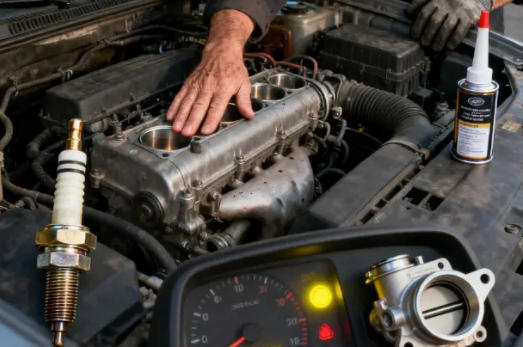
Low-speed vibration is rarely caused by a single issue. For instance, partial cylinder misfires, deteriorated engine mounts, or VVT actuator delays can all produce similar symptoms. The key is to separate mechanical vibration from combustion-related misfires and electrical or control system anomalies. Without careful observation and structured testing, replacing parts without understanding the root cause often fails to resolve the problem.
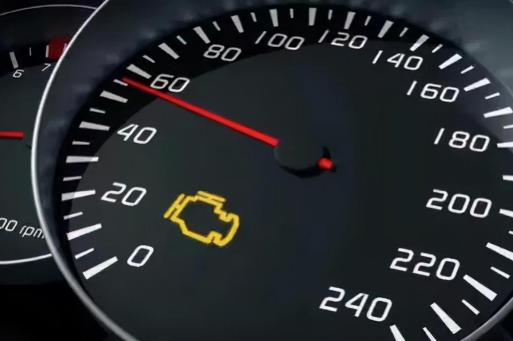
When the engine light appears along with shaking, it’s important to look for subtle early indicators that reveal the underlying problem. Drivers often report:
· Slight surges or jerks in engine RPM while idling
· Fluctuating tachometer readings not caused by driver input
· Intermittent blinking of the engine light immediately after startup
These early signs often point to misfires, sensor irregularities, or mechanical wear. Using an OBD-II scanner to retrieve active codes helps narrow down whether the misfire is cylinder-specific, whether a VVT solenoid is stuck or malfunctioning, or whether intake and fuel sensors report abnormal values. Recording this behaviour over multiple start cycles or idle periods can highlight patterns that might otherwise be missed. Observing these early indicators before the shaking worsens can save time and prevent unnecessary part replacements.
A common scenario for many drivers is that the car shakes at idle but smooths out once driving. This occurs because low-RPM operation exposes issues that are masked under engine load. Key causes include:
· Partial cylinder misfires: Ignition coils or spark plugs may not fire reliably at low RPM. The misfire can produce noticeable idle vibration but may disappear under higher load conditions, creating the illusion that the engine runs normally.
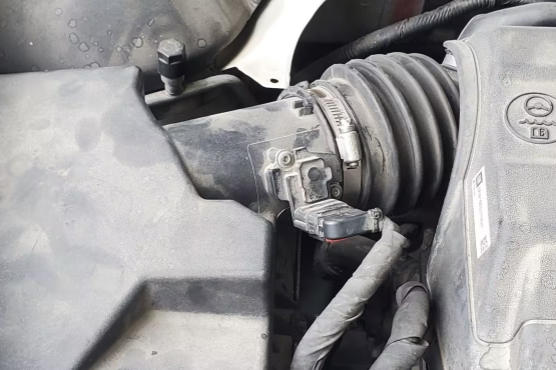
· Idle control irregularities: Small airflow fluctuations from the idle air control valve or electronic throttle body are amplified at idle. When the engine is under load, these fluctuations are less noticeable.
· Worn engine mounts: Rubber or hydraulic mounts designed to absorb vibration can deteriorate, transmitting tremors to the cabin at low speeds while damping effects improve under driving load.
To distinguish between these causes, it is essential to observe idle behaviour after both cold and warm starts and to compare it with vehicle performance under low- and high-load driving.
Rough idle can result from multiple overlapping issues. Correctly identifying the cause prevents unnecessary repairs and ensures long-term engine health. Typical contributors include:
· Ignition system issues: Faulty spark plugs, aging ignition coils, or loose wiring can produce cylinder-specific misfires at idle. Symptoms include inconsistent engine rhythm, subtle vibration, and occasional engine light alerts, often without affecting driving performance at higher speeds.
· Fuel delivery problems: Clogged fuel injectors, low fuel pressure, or contaminated fuel can create uneven combustion. Drivers may notice minor surging, hesitation, or intermittent misfire codes, which usually worsen after cold starts or periods of low engine load.
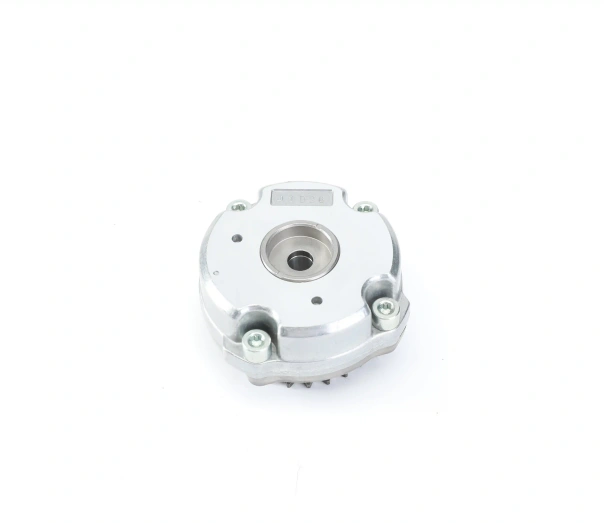
· Variable Valve Timing (VVT) malfunctions: VVT actuators that stick or fail to adjust timing correctly can produce rough idle and low-speed vibrations. Misfire codes may appear at idle even if the ignition and fuel systems are functioning correctly. Observing camshaft timing behaviour immediately after startup can help identify VVT-related faults.
· Vacuum leaks or intake restrictions: Small leaks around hoses or intake gaskets disturb the air/fuel mixture, creating rough idle and vibration, especially when the engine is cold.
· Engine mount deterioration: Worn or hardened mounts transmit low-frequency vibrations to the chassis, making idle tremors more noticeable, particularly during cold starts or low-speed stops.
Vibration immediately after starting is usually linked to temperature-sensitive components:
· Cold engine behaviour: Metal parts contract, and fuel atomisation is less efficient, causing uneven combustion.
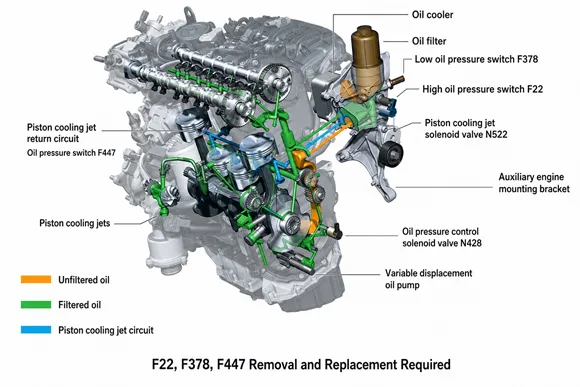
· Oil pressure-dependent systems: VVT actuators and hydraulic lifters may not operate optimally until oil pressure stabilises.
· Mount stiffness when cold: Engine mounts transmit more vibration at lower temperatures, softening as the engine warms.
Tracking vibration patterns across cold and warm starts helps distinguish temporary startup issues from persistent mechanical or control faults.
Misfires at idle are a primary cause of low-speed vibration and engine light warnings. A structured diagnostic approach includes:
· Reading OBD-II codes to identify affected cylinders or sensors
· Inspecting spark plugs and ignition coils for wear or damage
· Measuring fuel pressure and assessing injector performance
· Observing VVT actuator operation and camshaft timing
· Inspecting engine mounts to differentiate between mechanical and combustion-related vibration
Sequential testing is crucial, as ignition, fuel delivery, VVT, and mount problems can all produce similar symptoms. Eliminating one cause at a time ensures accurate identification of the root issue.
Many drivers assume that a blinking engine light always points directly to the root cause of idle shaking, but in practice, fault codes can be misleading. When the car is shaking at idle, the engine control unit (ECU) may detect transient misfires, fluctuating sensor signals, or minor timing deviations that trigger a temporary warning. These codes often do not indicate a persistent mechanical fault, meaning replacing a part based solely on the stored code can fail to resolve the low-speed vibration.
Intermittent issues, such as slight injector imbalance, marginal ignition coil performance, or VVT actuator lag, can generate misfire codes that appear only under specific conditions, like cold start or extended idling. Similarly, the engine light on car shaking may flash without storing a permanent code if the ECU determines the deviation is temporary. Technicians often find that reviewing live data, observing misfire counters, and correlating vibration patterns with engine temperature provides far more insight than relying exclusively on historical codes.
Another complicating factor is that multiple marginal faults can trigger a single code. For example, worn spark plugs combined with deteriorated engine mounts may appear as a cylinder-specific misfire. Unless the diagnostic approach considers how mechanical and combustion-related issues interact, misdiagnosis is common. Understanding the limitations of engine light codes is essential to avoid unnecessary replacements and to identify the actual cause of the car shaking and engine light blinking at idle.
Partially fouled or worn spark plugs are a frequent cause of idle vibration. The car may drive normally at higher RPMs, masking the issue. Uneven combustion at idle can trigger engine light blinking and noticeable shaking. Evaluating plug condition, ignition coil performance, and timing alignment is often the first step in diagnosing low-speed vibration.
Engine mounts isolate the chassis from engine vibrations. When mounts deteriorate:
· Idle vibration is transmitted directly to the cabin
· Shaking often decreases under load
· Vibration intensity varies with engine temperature
Replacing worn mounts or confirming alignment can significantly reduce idle tremors, improving perceived engine smoothness without altering engine operation.
VVT issues often appear at low RPM and idle. Common symptoms include:
· Intermittent shaking when stationary
· Engine light flashing with no immediate power loss
· Cylinder-specific misfire codes at idle
Since VVT relies on precise oil pressure and actuator responsiveness, delays or sticking can create low-speed instability. Observing behaviour across cold and warm starts helps isolate timing-related issues from ignition or fuel system faults.
Cold-start vibration is common when components are temperature-sensitive:
· Stiffer engine mounts transmit more vibration at low temperatures
· Temporary low oil pressure affects VVT or hydraulic components
· Combustion irregularities occur due to colder fuel atomisation
Monitoring how the vibration changes as the engine warms helps distinguish temporary startup effects from persistent issues requiring repair.
A structured diagnostic workflow includes:
· Documenting vibration patterns with RPM, engine temperature, and duration
· Retrieving OBD-II codes for misfire, VVT, or sensor irregularities
· Inspecting ignition and fuel systems sequentially
· Assessing mechanical mounts and timing components
· Comparing behaviour after cold start, warm start, and light-load driving
Following this sequence reduces the risk of misdiagnosis and ensures repairs address the actual cause rather than symptoms.
When addressing low-speed idle vibration:
· Ensure component compatibility: Spark plugs, ignition coils, and actuators should meet OEM specifications
· Check related systems: Oil level, vacuum hoses, and intake passages influence idle stability
· Repair in sequence: Address ignition and fuel issues before replacing mounts or VVT components
Skipping steps often leads to recurring idle vibration despite part replacement, prolonging repair time and costs.

 English