An engine camshaft is often called the heartbeat of a vehicle's powertrain. Your engine may rapidly lose power, misfire, or even shut off completely if this vital component begins to malfunction. Early detection of camshaft failure symptoms can help you avoid expensive repairs and major car damage.
As a camshaft manufacturer, Huizhan draws on hands-on testing, failure analysis, and OEM-standard production experience across brands like Ford, BMW, Volkswagen, Mercedes-Benz, and more—offering practical insights to help keep your engine running smoothly and reliably.
As its name suggests, an engine camshaft is a long, cylindrical shaft fitted with several cams—also known as lobes—that protrude from its surface at specific intervals. Each lobe corresponds to one of the engine's intake or exhaust valves, regulating the flow of the air-fuel mixture into the cylinders and the expulsion of exhaust gases.
Located in the cylinder head (or the engine block in older designs), the camshaft rotates in precise synchronization with the crankshaft, usually at half its speed. This timing is controlled by a belt, chain, or gear system, ensuring that valves open and close at the exact right moments during the combustion cycle.
A failing automotive camshaft disrupts this harmony, leading to incomplete combustion, reduced horsepower, and potential chain reactions like bent valves or scored pistons.


Camshaft failure symptoms can be sneaky at first, mimicking other issues like a dirty fuel filter or worn spark plugs. But as wear progresses—often from inadequate lubrication, high mileage (over 100,000 miles), or poor maintenance—they intensify. Based on diagnostics from thousands of vehicles, including our rigorous in-house testing on partner brands like VOLVO and PSA, here are the top 10 red flags. We've expanded on classic indicators with real-world examples for clarity.
One of the earliest signs of camshaft wear is a rhythmic tapping or ticking sound from the top of the engine, especially noticeable at idle or low RPM. This valve chatter happens when worn cam lobes no longer provide consistent lift, causing the lifters or pushrods to make intermittent contact with other components.
What to Listen For: A light metallic tick-tock that rises with engine speed but may quiet slightly under load.
Example: In some BMW 3-Series models with Valvetronic systems, owners have reported this symptom after prolonged city driving.
Why It Happens: Insufficient lubrication or oil pressure leads to accelerated wear of the cam lobes and bearings.
If your car feels less responsive or struggles to accelerate, a worn camshaft could be affecting valve timing and air-fuel mixture efficiency. This results in reduced power output, especially during hill climbs or highway merges.
What to Notice: A noticeable drop in throttle response or reduced pulling power.
Typical Cases: Seen in some VW and Audi engines with VVT systems where camshaft timing deviates due to wear.
Camshaft wear can disrupt the precise timing needed for each cylinder to fire correctly. When valve lift is uneven, it leads to misfires, rough idling, or jerking during acceleration.
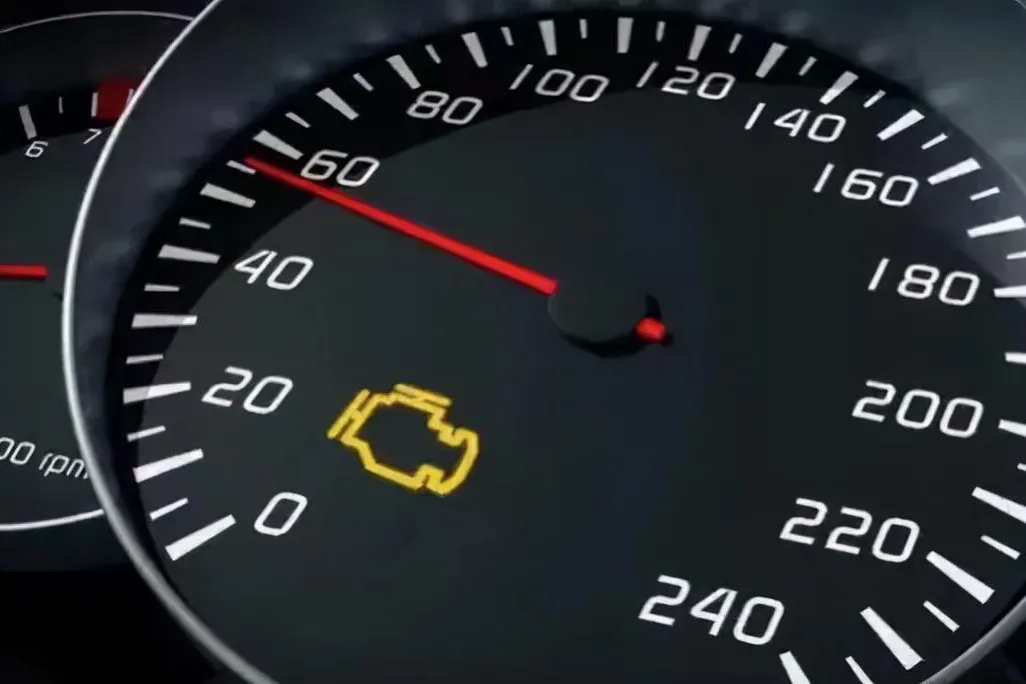
Dashboard Clue: A flashing Check Engine Light (CEL) with codes such as P0300 – Random Misfire Detected.
Example: In some FORD F-150 models, excessive load combined with poor oil maintenance can trigger this issue.
Abnormal exhaust smoke indicates inefficient combustion.
Black smoke: Too much fuel (rich mixture).
White smoke: Coolant entering the combustion chamber.
Blue smoke: Oil burning due to worn seals or valve guides.
Camshaft Connection: Incorrect valve timing can trap exhaust gases or delay combustion, leading to visible smoke.
When to Act: If the smoke persists after the engine warms up, inspection is advised—especially in older diesel engines.
During oil changes, visible metallic particles or glitter in the oil may signal internal wear. These tiny shavings often originate from the cam lobes or bearings.
How to Check: Run a magnet along the drain plug—steel particles will cling to it.
Why It Matters: Metal debris circulates through the lubrication system, potentially damaging other components and turning a minor repair into a major engine overhaul if ignored.
Modern ECUs continuously monitor the camshaft and crankshaft positions. A stretched timing chain or worn camshaft may trigger codes such as P0011 (Camshaft Timing Over-Advanced) or P0012 (Timing Over-Retarded).
Tip: Use an OBD-II scanner to verify the cause before replacing parts.
A pop from the intake or exhaust often means that unburnt fuel is igniting at the wrong time. This can occur when the camshaft timing is off, causing valves to open or close out of sync.
Warning: Persistent backfiring can damage the exhaust manifold or catalytic converter if left unresolved.
A camshaft that's out of spec affects combustion efficiency, leading to increased fuel consumption.
What to Watch: Gradual drop in MPG or more frequent refueling, even with unchanged driving habits.
Why It Happens: Valves staying open too long or not long enough disrupts the air-fuel ratio.
If inspected with the valve cover removed, you might notice lifters moving unevenly or producing abnormal clatter. This results from cam lobe flattening or uneven wear.
DIY Tip: With the engine off, rotate it manually—cam lobes should lift and drop smoothly.
Advanced Check: An endoscope can help identify pitting or scoring not visible to the naked eye.
A failing camshaft can indirectly contribute to engine overheating, as poor valve timing causes incomplete combustion and excess heat buildup.
Monitor: If the temperature gauge frequently exceeds normal range (around 220°F / 105°C), have the valve timing and lubrication system inspected.
Root Cause: Inadequate oil flow, especially in turbocharged engines, accelerates both camshaft and bearing wear.
| Symptom | Severity (1–10) | Common Brands / Engines Affected | Est. Diagnostic Time |
| Ticking Noises | 6 | BMW, FORD (VVT engines) | 15 mins (listening + visual) |
| Power Loss / Sluggish Acceleration | 8 | VW, BENZ (DOHC/VVT engines) | 30 mins (test drive + scan) |
| Cylinder Misfires | 9 | BMW, VW, FORD, BENZ (VVT/DOHC) | 45 mins (OBD-II scan + inspection) |
| Exhaust Smoke (Black/White/Blue) | 7 | ISUZU, JMC, diesel engines | 20–30 mins (visual + combustion check) |
| Metal Shavings in Oil | 10 | VOLVO, other long-life engines | 20–30 mins (oil change + magnet/inspection) |
Understanding why a camshaft fails helps you prevent it. The most common causes include:
1. Poor lubrication or oil contamination
Low-quality or old oil leads to friction wear on lobes and bearings.
2. Improper installation or timing
Incorrect torque or timing chain tension can break the camshaft or misalign the valves.
3. Overheating or lack of maintenance
Overheated engines weaken the camshaft metal structure, especially in high-performance cars.
4. Manufacturing defects (in low-quality aftermarket parts)
That's why it's critical to choose OEM-quality camshafts from verified manufacturers.
Depending on the damage level, you can repair or replace the camshaft.
1. Diagnosis
Use a mechanic's stethoscope or diagnostic scanner to confirm camshaft sensor codes.
Inspect for metal debris in the oil or worn cam lobes through the valve cover.
2. Minor Wear – Regrinding or Polishing
In some cases, camshaft regrinding can restore surface geometry.
However, this is only suitable for minimal wear and should be handled by professionals.
3. Severe Damage – Full Camshaft Replacement
If the lobes, journals, or bearings are deeply scored, camshaft replacement is the only option.
Make sure the new camshaft matches your engine specifications — such as timing gear design, number of lobes, and valve lift.
Selecting a high-quality replacement camshaft is vital for long-term performance.
Here are key factors to consider:
Engine Compatibility: Ensure it matches your specific make and model (e.g., Land Rover, VW, FORD, Benz, BMW, or JMC).
OEM Standard Manufacturing: Verify that the supplier follows original equipment specifications.
Surface Hardness & Precision Machining: High-precision grinding and surface treatment improve durability.
Supplier Reliability: Partner with manufacturers experienced in engine camshaft production and related systems like oil pumps, vacuum pumps, and VVT gears.
To extend the life of your new camshaft:
Use high-quality engine oil and change it regularly.
Replace oil filters on schedule to avoid debris buildup.
Never ignore engine warning lights or ticking noises.
Schedule regular inspections of the timing system, oil pump, and vacuum pump.
These habits ensure your camshaft and related engine components operate smoothly for years.
Can a bad camshaft cause engine misfires?
Yes. Worn cam lobes or incorrect timing can prevent proper valve operation, leading to cylinder misfires, rough idling, and reduced combustion efficiency. Misfires are often indicated by a flashing Check Engine Light and codes such as P0300.
Can I drive with a bad camshaft?
Driving with a failing camshaft is not recommended. While minor symptoms might allow short trips, continued use can lead to severe engine damage, including bent valves, scored cylinders, or complete engine failure.
How is a bad camshaft repaired or replaced?
Minor wear may be addressed by camshaft resurfacing or lifter adjustment, but significant damage requires full camshaft replacement. Ensure that the replacement is OEM-quality or precision-engineered to maintain engine performance and longevity.
Where can I buy high-quality replacement camshafts?
For reliable engine camshaft replacement, consider suppliers like Ningbo Huizhan Automotive Technology Co., Ltd., offering OE-standard camshafts and related components for BMW, VW, FORD, BENZ, JMC, and other major brands.

 English