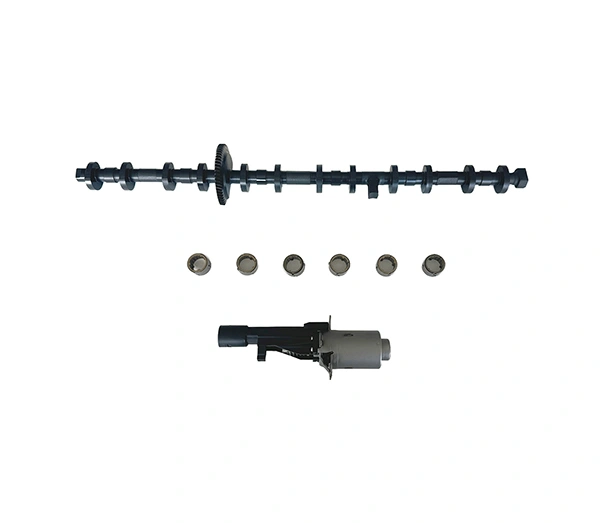
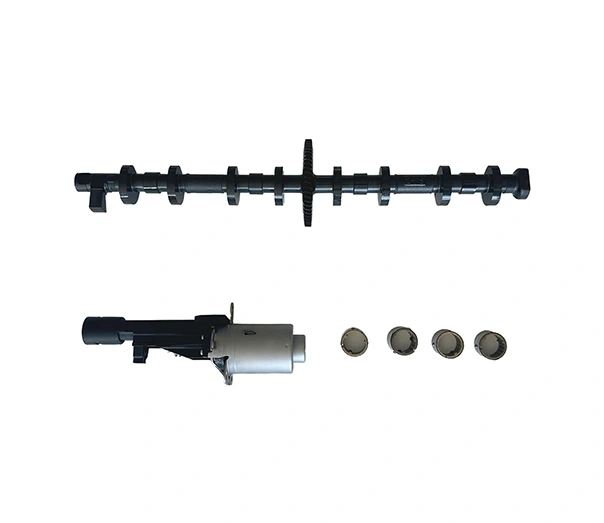
BMW Valvetronic systems are used across multiple engine families. Different engines require different eccentric shaft designs, so correct matching by engine code and OE number is essential.
| Engine | Product | OE Reference | Application |
| BMW N20 | Valvetronic eccentric shaft | 11377630747 | BMW N20 turbo engine applications |
| BMW N52 | Valvetronic eccentric shaft | 11377515868 | BMW N52 Valvetronic system |
| BMW N55 | Valvetronic eccentric shaft kit | 11377589883 | BMW N55 turbo engine applications |
A failing BMW Valvetronic eccentric shaft can affect the variable valve lift system and cause noticeable changes in engine performance. Common symptoms include:
| Symptom | Possible Cause |
| Check Engine Light | Valvetronic system fault or eccentric shaft position issue |
| Rough Idle | Incorrect valve lift adjustment |
| Reduced Engine Power | Valvetronic system cannot control intake valve lift correctly |
| Poor Throttle Response | Eccentric shaft movement may be restricted |
| Engine Misfire | Incorrect valve lift control |
| Valvetronic Motor Noise | Possible eccentric shaft or related component wear |
These symptoms can overlap with faults in the Valvetronic motor, eccentric shaft sensor, or other related components. Before replacing a BMW Valvetronic eccentric shaft, check the diagnostic trouble codes and inspect the complete Valvetronic system to identify the actual source of the fault.
The Valvetronic system is an advanced, fully electronic variable valve lift technology developed by BMW to enhance engine efficiency and responsiveness. Unlike conventional engines that control air intake using a throttle valve, the Valvetronic system adjusts the intake valve lift continuously via an eccentric shaft driven by a stepper motor. By varying the valve lift, the system precisely regulates the volume of air entering the combustion chamber, reducing pumping losses and improving fuel efficiency. As the eccentric shaft rotates, it changes the position of the intermediate rocker arm, allowing the valve lift to vary from nearly zero to its maximum. This results in smoother acceleration, lower emissions, and improved throttle response, delivering both powerful performance and environmental benefits.


 English
_20250530140544.webp "BMW N20 Valvetronic Eccentric Shaft-OE 11377630747")
.webp "BMW N52 Valvetronic Eccentric Shaft-OE 11377515868")
_20250530140850.webp "BMW N55 Valvetronic Eccentric Shaft-OE 11377589883")