A car hard to start usually develops gradually rather than failing suddenly. Most drivers first notice longer cranking during cold mornings, after refuelling, or following extended parking. The engine may hesitate before firing but then run normally once started. The engine may crank longer than usual, hesitate before firing, or require a second attempt, yet once started it runs smoothly and shows no obvious performance loss. This pattern frequently leads owners to assume the issue is minor or battery-related and delay further checks.
In reality, when a car hard to start behaves inconsistently, it usually reflects early stress within the starting system rather than a single failed component. Electrical load, fuel pressure stability, ignition timing, and mechanical resistance interact most critically during the first few seconds of cranking. Weaknesses that remain hidden during normal driving often become visible only at start-up. Understanding when the vehicle struggles to start and under which conditions is therefore more valuable than focusing on the symptom itself.
This observation-based approach is particularly relevant in European driving environments, where colder climates, short-trip usage, strict emissions control systems, and variable fuel quality all influence starting reliability.
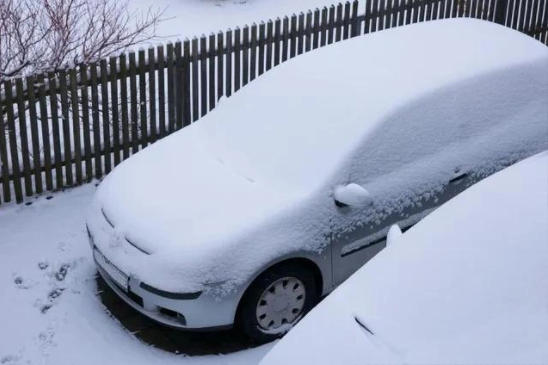
When diagnosing a car hard to start, the timeline of symptom development matters more than the severity of a single failed start. Many vehicles begin with slightly extended cranking that only occurs intermittently. Over time, this may progress to repeated attempts under specific conditions while remaining unnoticeable during others.
Common early patterns include hesitation after overnight parking, slower cranking in colder weather, or brief difficulty immediately after refuelling. Because the engine eventually starts and runs normally, these signs are often dismissed. However, these are precisely the conditions under which electrical voltage, fuel pressure, and ignition energy are most marginal. A system operating close to its tolerance limit may still pass basic checks yet fail under start-up load.
Tracking how frequently the issue occurs, whether it is temperature-dependent, and whether it improves after repeated attempts provides a structured foundation for diagnosis and prevents unnecessary part replacement.
A difficult starting car rarely presents a single, dramatic symptom. Instead, it produces subtle indicators that repeat under similar conditions. Drivers may notice slower-than-normal cranking, a brief pause before ignition, or slight dimming of dashboard lights during start-up. Clicking noises from the starter solenoid or inconsistent starter engagement may also appear.
These signs should be evaluated in context. If the vehicle starts normally when warm but struggles after sitting overnight, the issue may involve cold-cranking performance or fuel vaporisation. If difficulty appears after refuelling or extended idle, tank pressure or fuel delivery stability becomes more relevant.
Consistent observation across multiple start attempts is critical. Noting ambient temperature, fuel level, parking duration, and whether the engine fires immediately or hesitates allows technicians to narrow the fault domain without relying on guesswork.
A slow car start up is rarely caused by a single failing component. Instead, it reflects cumulative resistance across several systems that must work in balance during cranking. From an electrical perspective, battery condition under load is more revealing than static voltage readings. A battery may power accessories without issue yet fail to deliver sufficient current during starter engagement. Corroded terminals or aging cables can further reduce available current even when the battery itself appears serviceable.
The starter motor introduces another variable. Wear in brushes, bearings, or the solenoid mechanism increases internal resistance. As these components degrade, cranking speed becomes inconsistent, particularly during cold starts or repeated attempts.
Fuel delivery must also stabilise rapidly. Low rail pressure caused by a restricted filter, aging pump, or injector leakage delays combustion. This often results in extended cranking followed by a normal idle once pressure equalises.
Ignition performance ties these factors together. Weak spark output from worn plugs, failing coils, or intermittent wiring faults may allow combustion only after prolonged cranking, especially when fuel mixture is marginal.
Finally, mechanical resistance cannot be ignored. Thicker oil at low temperatures, minor timing deviations, or uneven compression all increase the torque required to rotate the engine during start-up.

When a car is struggling to start when cold, multiple systems are affected at the same time. Low temperatures reduce battery output, increase oil resistance, and slow fuel vaporisation, making marginal components fail only during cold cranking.
Battery chemistry becomes less efficient as temperatures drop, reducing available current even in relatively new units. At the same time, thicker engine oil increases resistance at the crankshaft, forcing the starter motor to work harder. If either system is already operating near its limit, cold starts become unreliable.
Fuel behaviour also changes. Cold conditions reduce atomisation quality, particularly if injectors or pumps are slightly restricted. This delays combustion and increases the number of crankshaft rotations required before ignition.
If starting difficulty disappears once the engine warms, environmental influence is likely amplifying an underlying issue rather than creating it.
When cold-start issues improve consistently after a brief warm-up, attention should focus on components sensitive to temperature. Battery performance under load, oil viscosity choice, temperature sensor accuracy, and initial fuel mixture enrichment all play a role. Evaluating these factors together avoids misattributing the problem to a single cause.
A vehicle having trouble starting specifically after refuelling or long periods of inactivity often points to fuel system pressure dynamics rather than electrical failure.
EVAP system restrictions can prevent proper tank venting, creating temporary vacuum conditions after refuelling. This restricts fuel flow to the rail, leading to extended cranking until pressure stabilises. Similarly, aging fuel pumps may require additional time to re-establish operating pressure after sitting idle.
Fuel quality also matters. Minor water contamination or sediment can temporarily disrupt combustion efficiency, especially after refuelling when disturbed tank contents enter the fuel line.
When a car struggles to start after putting gas in, inspecting vent lines, purge valves, and pump priming behaviour provides clearer answers than replacing ignition components. These faults often repeat predictably under similar conditions.
When a car struggles to start but runs fine afterwards, the fault usually occurs only during cranking conditions. Electrical connections, fuel pressure stabilisation, or sensor inputs may fall outside tolerance for a few seconds at start-up, then recover once normal engine operation begins, leaving no symptoms during driving.
Loose or corroded electrical connections can temporarily reduce current flow during cranking but recover once vibration or repeated attempts restore contact. Fuel delivery timing may also vary, with delayed pump priming or injector response affecting only the first ignition attempt.
Sensor inputs further complicate diagnosis. Incorrect readings from engine temperature or intake sensors can lead to improper mixture formation, particularly during cold or heat-soaked starts.
Because performance appears normal once started, these faults are frequently underestimated. Reproducing the issue consistently and measuring system behaviour during cranking is the only reliable path to resolution.
Understanding the causes of hard start in a car requires evaluating components as part of an interconnected system rather than in isolation.
Battery condition must be assessed under load, not by voltage alone. Starter motors should be evaluated for current draw and engagement consistency.
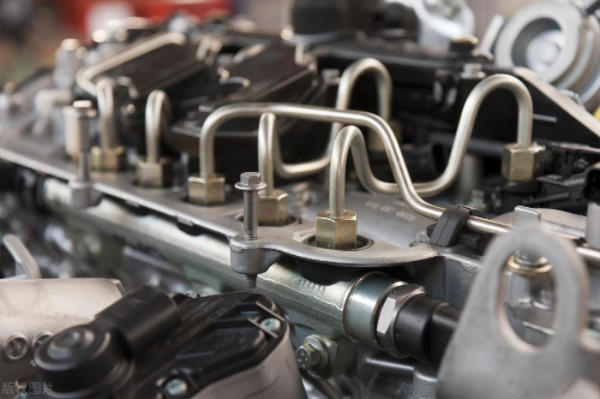
Fuel systems require pressure testing at key moments rather than static checks. Ignition components should be examined for spark strength during cranking, not only during idle.
Timing-related issues, even minor ones, can influence compression during start-up without triggering fault codes. These factors combine to create symptoms that only appear intermittently.
A car can be hard to start even when the battery seems fine because starting reliability depends on current delivery under load, not static voltage. High resistance in cables, starter wear, or parallel ignition faults can limit cranking performance without affecting lights or accessories, masking the real source of the problem.
Effective diagnosis of a car hard to start relies on reasoning rather than part-swapping. Patterns must be identified first, followed by targeted measurements.
Electrical performance should be evaluated under actual cranking load. Fuel pressure must be observed during the first seconds of start-up. Ignition output should be verified when conditions are least favourable. Mechanical resistance and timing should be reviewed when other systems test within range.
Environmental factors such as temperature, fuel composition, and emissions system behaviour should be considered part of the diagnostic context rather than external variables.
Starting reliability depends on cumulative system health rather than a single component. Batteries require periodic load testing rather than replacement based on age alone. Ignition components degrade gradually and influence start-up long before misfires appear. Fuel systems benefit from regular filtration and pressure stability checks. Oil viscosity should match seasonal conditions to minimise mechanical resistance. Starter connections and grounding points require inspection as vehicles age.
Addressing these factors proactively reduces intermittent starting behaviour and preserves predictable ignition performance across varying conditions.

 English