Can a bad water pump cause overheating? Yes — and it's one of the trickiest cooling problems to diagnose early. Unlike a burst hose or a cracked reservoir, a bad water pump doesn't leave obvious clues. The pump wears down gradually, coolant circulation drops a little at a time, and engine temperature creeps up so slowly that most drivers don't connect the two until the gauge is already climbing into dangerous territory.
The cost gap between catching it early and catching it late is significant. A bad water pump confirmed at the symptom stage — bearing noise, a weeping seal, a temperature gauge that's started drifting — is a few hundred dollars to fix. That same pump, ignored until it causes a serious overheating event, can mean a head gasket failure or a warped cylinder head on top of the pump replacement. Recognizing bad water pump symptoms early is the practical difference between those two outcomes.
This article covers three things: how a bad water pump causes overheating and why certain failure modes leave no external trace; the specific bad water pump symptoms and failing water pump symptoms that show up before the engine overheating event; and how to determine if a water pump is bad when the diagnosis isn't obvious.
To understand why a bad car electric water pump causes overheating, you need a clear picture of what the pump actually does inside the cooling system. Once the mechanism clicks, the bad water pump symptoms make complete sense — and they stop looking like random minor issues.
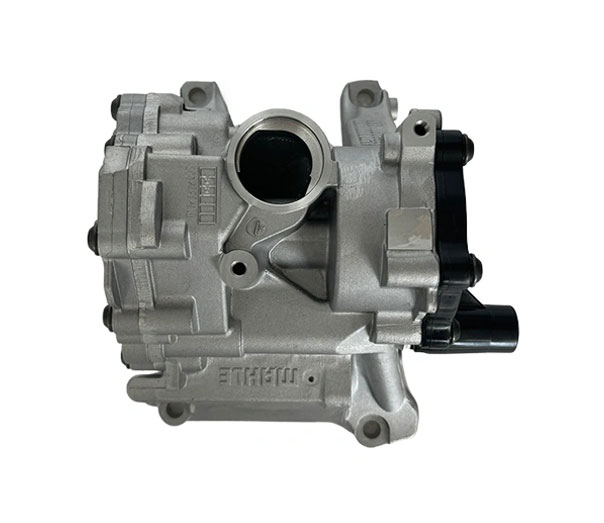
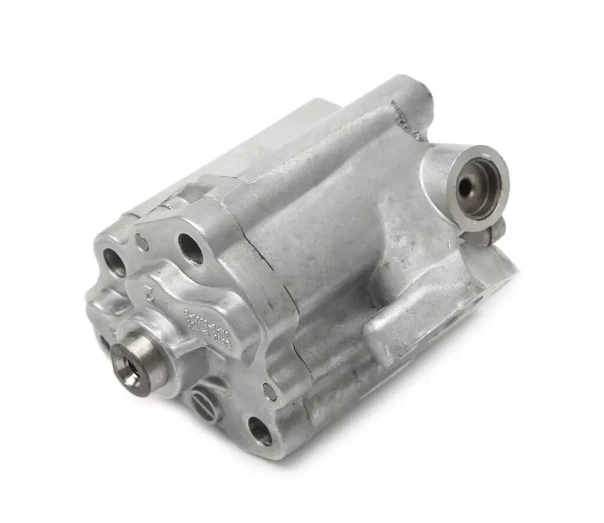
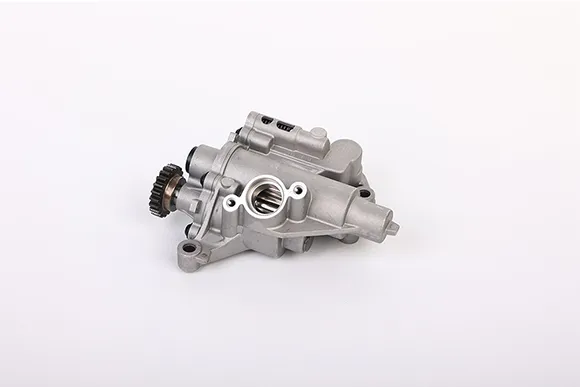
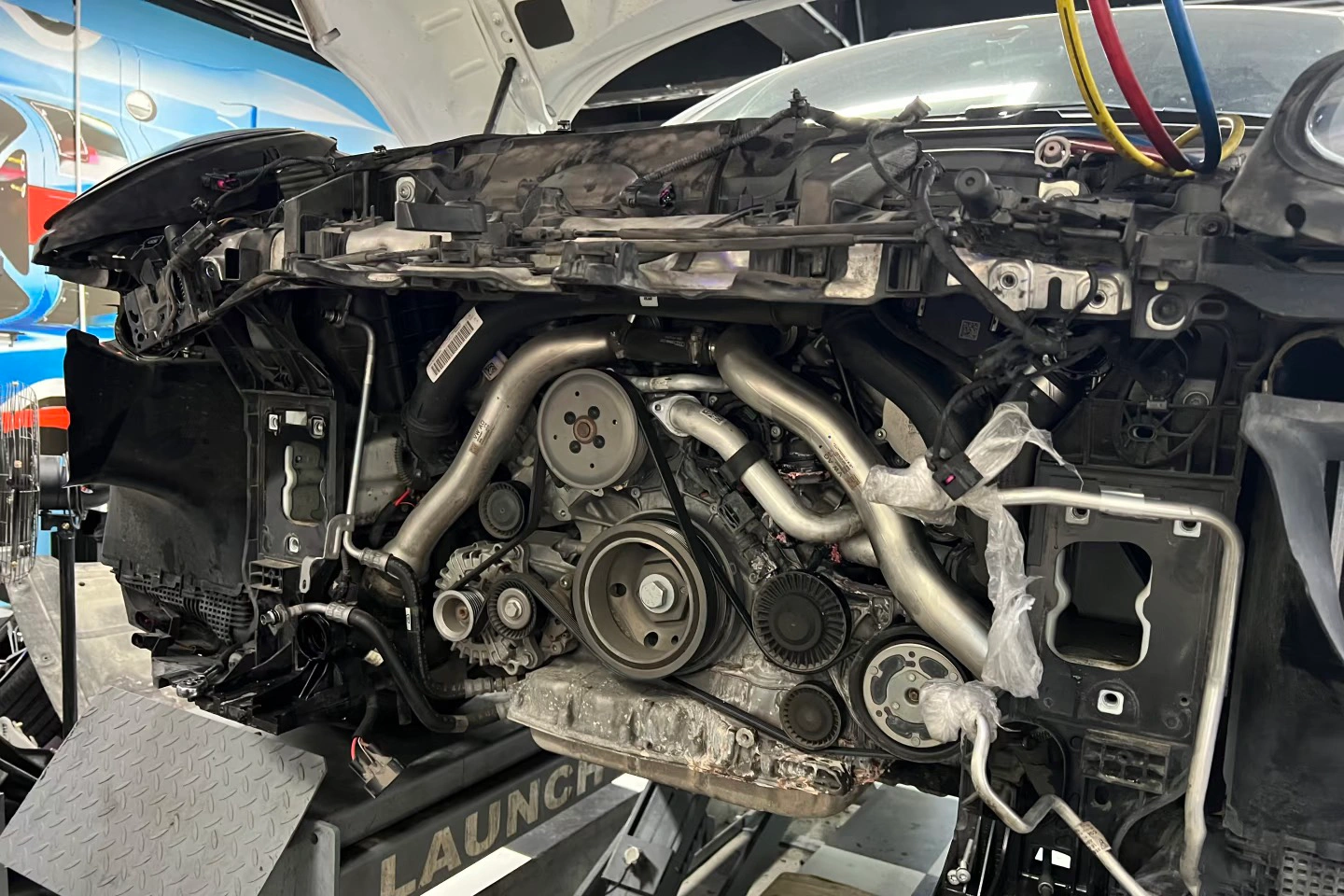
The water pump is a centrifugal pump bolted to the front of the engine block, driven by the timing belt, timing chain, or accessory belt. Inside the housing, a finned impeller spins in proportion to engine RPM. As it rotates, it draws coolant in through the center and pushes it out under pressure into the engine's internal coolant passages.
That pressurized coolant circulates through the block, around the cylinders, through the cylinder head near the exhaust valve seats, through the heater core, and out to the radiator to shed heat — then back to the pump to repeat the loop. At highway speed a healthy pump moves 14–16 gallons per minute. At idle that flow drops, which is why a bad water pump often shows its failing water pump symptoms worst in stop-and-go traffic rather than on the motorway.
The pump also sustains the system pressure that raises coolant's boiling point from 212°F to around 265°F. Lose that pressure and the coolant starts flashing to steam inside the block. A bad water pump that can't maintain both circulation and pressure removes both thermal defences at once — which is why engine overheating from pump failure escalates quickly once it starts.
The bottom line: a bad water pump causes overheating because heat builds faster than it can leave. It doesn't matter how much coolant is in the system or whether the radiator is spotless — if the pump isn't circulating fluid, the engine overheats. That's why the most dangerous failure modes are the silent ones, where the impeller has failed inside a sealed housing and everything outside looks completely normal.
The standard cooling system checklist — coolant level, visible leaks, thermostat, radiator — doesn't put the pump near the top. When the pump fails externally through a leaking seal, diagnosis is easy: coolant on the floor, trail leads to the housing. But when the impeller corrodes or slips inside a sealed pump, none of those checks turns up anything. Full coolant level, no puddle, thermostat opening fine, radiator clear — and the engine still overheats from a bad water pump that looks perfect from the outside.
In practice, drivers replace the thermostat first, then flush the coolant, sometimes swap a temperature sensor. The bad water pump keeps failing in the background, temperatures keep building, and a straightforward repair quietly becomes a head gasket job. Getting familiar with the bad water pump symptoms in this guide is how you break that cycle before it gets expensive.
A bad water pump fails in one of four ways. Each produces a different set of bad water pump symptoms and a different link to engine overheating — knowing which one you're dealing with tells you how urgently to act.
Impeller Corrosion & Erosion
Old, acidic coolant slowly eats away the impeller blades. The pump still spins and the housing stays sealed, but flow drops as the blades thin. No noise, no leak — just an engine that runs progressively hotter. Confirming it requires pulling the pump.
Impeller Slip on Shaft
The impeller loosens and spins freely on the shaft instead of with it. The belt drives the shaft at full RPM, but the impeller barely moves and coolant flow collapses. Everything external looks normal. Like erosion, it leaves no visible evidence before overheating occurs.
Shaft Bearing Failure
The shaft bearing wears out, producing a whining or grinding noise that tracks with RPM. This is the one failure mode that gives audible warning. Caught early it's a simple replacement; left alone the shaft wobble damages the seal and coolant starts leaking externally.
Seal & Gasket Failure
The weep hole seal or pump-to-block gasket fails and coolant escapes externally. You'll see dried residue, a damp stain, or a slow drip around the pump housing. It's the most visible bad water pump failure and the most likely to be caught before overheating — if the housing gets checked.
The bad water pump symptoms below range from the earliest signs of a pump beginning to wear to the most urgent indicators that engine overheating is already happening. A failing water pump rarely shows all of them at once — usually one or two early symptoms appear for weeks before the more serious ones develop. Two or more together means it's an inspection job this week, not "keep an eye on it."
| Water Pump Symptoms | What It Indicates | Urgency |
| Temperature gauge sitting slightly higher than its usual resting position, particularly under load or in slow traffic | Reduced coolant circulation from early impeller wear or bearing friction limiting pump output | Inspect within 1 week |
| Whining, grinding, or low rumbling from the front of the engine that increases with RPM | Shaft bearing wear — mechanical failure progressing toward seal damage if not addressed | Inspect within 2 weeks |
| Coolant residue, white mineral deposits, or damp staining on or around the pump housing and weep hole | Weep hole seal beginning to fail — external coolant escape starting before significant loss | Replace within 3–4 weeks |
| Active coolant dripping from the pump housing or puddle forming under the engine after parking | Full external seal or gasket failure — coolant actively draining, system level dropping | Repair within days |
| Engine overheats in stop-and-go traffic or at idle but holds normal temperature at highway speeds | Partial pump failure — coolant flow insufficient at low RPM when airflow doesn't compensate; classic failing water pump pattern | Do not delay — repair now |
| Engine overheats consistently with full coolant reservoir, no visible leak, and no other identifiable cause | Internal impeller failure (erosion or shaft slip) — pump circulates nothing despite appearing completely intact externally | Stop driving — diagnose immediately |
The first bad water pump symptom on the list — the gauge sitting slightly higher than normal — gets dismissed most often, but it's one of the most valuable precisely because it appears earliest. A cooling system in good shape holds engine temperature in a tight band regardless of season or driving conditions. When the gauge starts settling a few millimeters higher than it used to, that's not ambient temperature variation. It means the thermal balance has shifted.
A failing water pump that's lost 20–30% of its impeller surface area produces exactly this: fine under easy conditions, noticeably high when the engine is working harder — climbing a hill, idling in traffic with the AC on, towing. Treating that temperature drift as a symptom is what separates a water pump replacement from a head gasket repair further down the road.
The speed-dependent pattern — running hot in traffic, normal on the motorway — is the most diagnostically specific of all the failing water pump symptoms. At highway speed, airflow through the grille compensates for reduced pump output, keeping temperatures in range even with a worn impeller. In slow traffic, that airflow disappears entirely, and the system depends on the pump alone to push coolant through the radiator. A bad water pump can't sustain that at low RPM.
The result is an engine that looks fine for the first stretch of a motorway run and starts climbing within ten minutes of hitting congestion. Many drivers check the cooling fan first — which is worth doing — but when the fan is confirmed working, a bad water pump is almost always the correct diagnosis for this exact pattern.
Bad water pump symptoms overlap with other cooling problems — a stuck thermostat, a blocked radiator, and a failed cooling fan can all produce similar temperature patterns. These four steps work from the quickest, most accessible checks to the most definitive confirmation, ruling out alternatives at each stage before moving to the next.
Rule out the cooling fan and coolant level first
Check that the cooling fan runs correctly at idle and in slow traffic — an electric fan should cycle on as temperature rises; a belt-driven fan should pull strong airflow at idle. A failed fan produces speed-dependent overheating that looks identical to a bad water pump without this check. Also confirm the coolant level is at or near the full mark. If both are fine and the engine is still running hot, the water pump moves to the front of the list.
Check for shaft play and listen for bearing noise
Engine cold and off: grasp the pump pulley and try to move it perpendicular to the belt — in and out, side to side. Any movement at all confirms bearing wear and the pump needs replacing, end of diagnosis. If there's no play, start the engine and listen as it warms up. A low whine or rumble that tracks with RPM from the front of the engine is a bearing noise signature. Belt squeal that changes with electrical load is usually the alternator or the belt itself — distinct sounds once you know what you're listening for.
Inspect the housing, weep hole, and gasket edge for coolant evidence
Engine cold: run a finger around the weep hole at the bottom of the pump body and around the pump-to-block gasket edge. White crusty deposits, a damp film, or active dripping all confirm an external seal failure. A dry pump with no residue doesn't mean the pump is good — it only rules out external leakage. If the housing is clean and the engine is still overheating, the problem is internal and step four is next.
Observe coolant flow at operating temperature, then remove the pump for impeller inspection
With the engine fully warmed up, watch the radiator filler neck once the thermostat opens — you should see visible coolant flow. No movement, or sluggish intermittent flow with the thermostat confirmed open, points to a circulation failure at the pump.
The definitive test is physical: remove the pump and look at the impeller. Healthy blades are full-depth and intact. A bad water pump shows thinned, corroded, or missing blade material — or an impeller that spins freely on the shaft when the shaft is held still. No other check provides this level of certainty, which is why it's the step most often skipped and the reason bad water pump overheating events drag on longer than they should.
Can a bad water pump cause overheating with no coolant leak and a full reservoir?
Yes — this is the most important thing to understand about bad water pump overheating. When the impeller erodes or slips on the shaft, the housing stays completely sealed. Coolant level stays full, no puddle on the driveway. The engine overheats because coolant isn't circulating, not because it's missing. Consistent overheating plus a full reservoir plus no visible leak equals internal impeller failure until proven otherwise. The only way to confirm it is to pull the pump and look at the impeller directly.
What are the most reliable bad water pump symptoms to check first?
Start with shaft play — grasp the pulley with the engine off and check for any movement perpendicular to the belt. Any play at all is a confirmed bad water pump. Then check the temperature gauge pattern: is it drifting higher than usual, especially in traffic? Finally, inspect the pump housing for coolant residue or deposits around the weep hole. These three checks cover the most common failure modes and take under ten minutes.
How to determine if a water pump is bad when all visible checks are normal?
When shaft play is absent, housing is dry, fan is working, and coolant level is correct but the engine keeps overheating — the diagnosis is either a stuck thermostat or internal impeller failure. Test the thermostat first: it's cheap and quick. If it opens at the correct temperature, the pump's impeller needs physical inspection. There's no shortcut — flow testing can suggest a problem but can't confirm the cause. Pull the pump and look at the blades.
What does a bad water pump sound like?
Bearing failure produces a low whining, grinding, or rumbling from the front of the engine that tracks directly with RPM — louder as you rev, quieter as you back off, and typically more noticeable when the engine is warm. It sounds similar to a worn wheel bearing but sits higher in the engine bay. A mechanic can isolate it with a stethoscope in minutes. That said, the two most dangerous failure modes — impeller erosion and shaft slip — are both completely silent. No noise doesn't mean the pump is fine.
How long can you drive with bad water pump symptoms before the engine is damaged?
Depends on the symptom. A weeping seal with no active overheating gives you a couple of weeks. Bearing noise without overheating gives a similar window. Active overheating — gauge climbing toward the red — gives you minutes. Aluminum heads start warping above 240°F, and head gasket integrity goes above 260°F. If the bad water pump is already causing overheating events, stop driving it. A tow is always cheaper than the head gasket job that follows.
Can a bad water pump cause overheating? Without question. But the more useful takeaway is that a failing water pump almost always shows bad water pump symptoms before the overheating becomes undeniable — a gauge that drifts higher under load, a bearing that develops a noise, a weep hole that starts showing residue. These are the warning signs. Acting on them is the difference between a straightforward replacement and an engine that needs a head gasket on top of the pump.
The failing water pump symptoms hardest to catch — impeller erosion and shaft slip — are also the most destructive because they leave no external evidence. When an engine overheats with a full reservoir and no visible leak, pull the pump and inspect the impeller. That's the diagnosis, and there's no shortcut to it.
If you've confirmed a bad water pump, find a fitment-verified replacement in our water pump catalogue. And if you're still working through whether the water pump is the root cause of the overheating — or whether one of the other six causes is responsible — the engine overheating causes and symptoms guide covers all of them with the same level of diagnostic detail.

 English