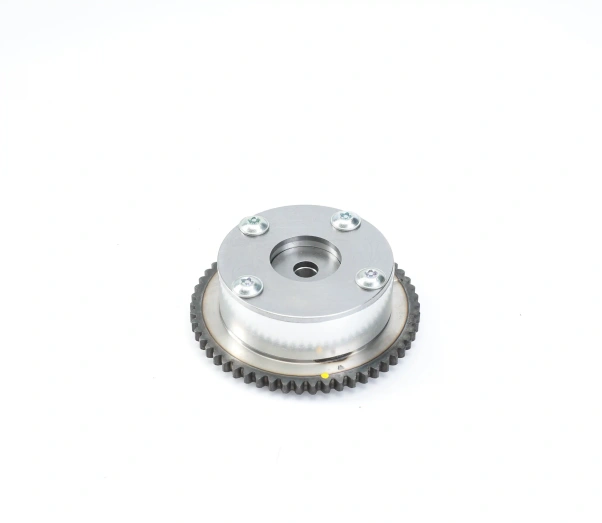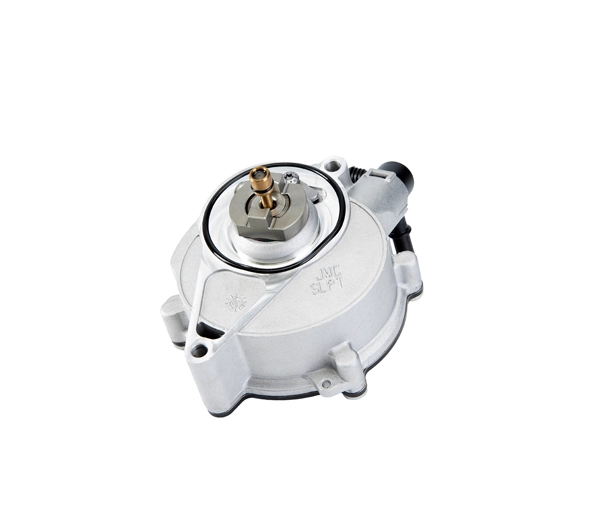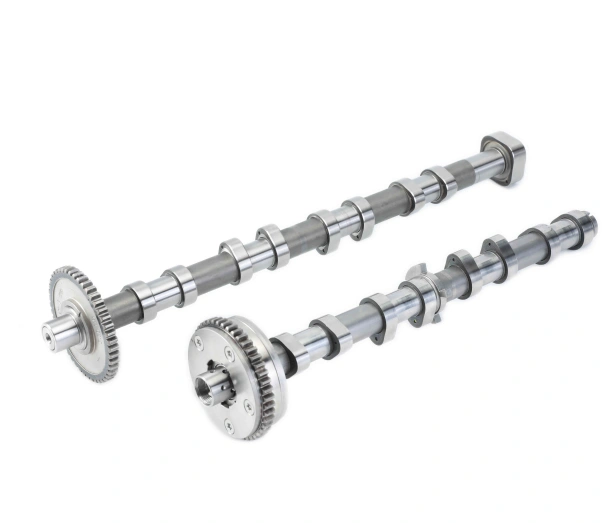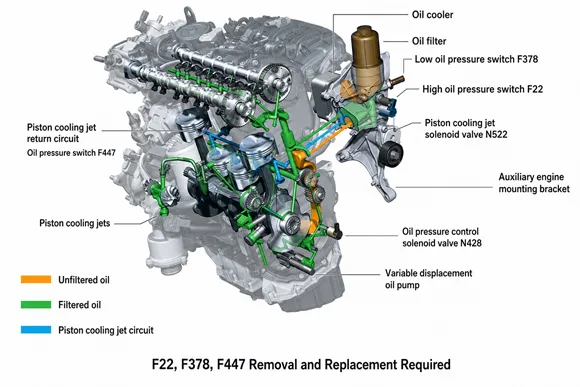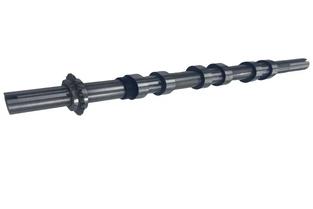
In Mercedes-Benz engines like the M276 (3.5L V6) and M278 (4.7L V8 biturbo), a failing benz camshaft rarely happens in isolation. It often ties into worn cam phasers, stretched timing chains, oil starvation in the VVT system, or sensor leaks. When the camshaft (or its related components) degrades, valve timing goes off, combustion suffers, and the engine can spiral toward major damage.
In this guide, we'll break down the 5 critical warning signs, causes, and solutions to help you diagnose issues early and protect your engine.
Before diving into symptoms, it's important to understand the function of a Mercedes camshaft.
The camshaft controls:
Intake and exhaust valve timing
Valve lift and duration
Synchronization with the crankshaft
In engines like M276 and M278, the camshaft works together with:
Variable Valve Timing (VVT) system
Camshaft adjusters (phasers)
Timing chain system
When the benz camshaft wears or loses precision, the entire combustion process becomes unstable.
The first and most distinctive sign: a brief but distinctive "ga-ga-ga" or "marbles in a can" rattle lasting 2–8 seconds immediately after a cold start, especially after the vehicle has sat overnight or for several hours.
Why it happens: When the engine is off, oil drains from the camshaft phaser (adjuster), causing the benz camshaft timing wheel to have excessive play. Once the engine fires, low initial oil pressure allows the phaser to slap against the chain or housing until pressure builds. Over time, this vibration can shift the trigger wheel on the Mercedes camshaft, wear cam lobes, and throw off the entire valve timing.
This issue is far more prevalent in M276 and M278 engines than in many other designs, typically appearing between 80,000–120,000 miles. Many drivers report no check engine light at first, making it easy to ignore — until it escalates.
You feel the engine stumble, hesitate, or suddenly surge, particularly when accelerating, merging onto highways, or climbing hills. Misfires may jump between cylinders and often worsen when the engine is at operating temperature.
Why it happens: Worn lobes on the benz camshaft reduce valve lift and duration, leading to an improper air/fuel mixture and incomplete combustion. The ECU attempts to compensate, but the engine still misfires. In M276/M278 engines, this symptom frequently pairs with failing VVT phasers.
The car feels "flat," lacking the smooth punch Mercedes is known for. Highway passing becomes difficult, and top-end power noticeably drops even though the engine sounds relatively normal.
Why it happens: A degraded Mercedes camshaft prevents valves from opening at the optimal timing and lift. This reduces volumetric efficiency, causing combustion to suffer and horsepower/torque to decline gradually. It often appears after the cold-start rattle has been present for some time and is frequently accompanied by VVT solenoid issues.
Modern Mercedes engines are highly sensitive to timing deviations. When the benz camshaft performance drifts, the ECU quickly logs codes.
Common codes include:
P0016 / P0017 (Crankshaft-Camshaft correlation)
P0011 / P0012 (Timing over-advanced)
P0015 / P0014 (Timing over-retarded)
P001177, P001277, P001685, P001885 (Camshaft position deviation)
Even if the car still drives, these codes signal that the Mercedes camshaft system is out of sync and should never be ignored.
During an oil change, you discover metallic particles on the drain plug or oil filter. Later, a continuous ticking or light knocking sound emanates from the top of the engine even when warm.
Why it happens: Severe wear on cam lobes or journals sheds metal into the oil. This contamination spreads to the VVT system, bearings, and timing chain — a late-stage but unmistakable sign of advanced benz camshaft failure. In M276/M278 engines, this is a red flag that immediate replacement of the camshaft and related components is required to prevent chain jump or valve-to-piston contact.
Camshaft failure in these engines is rarely random. The most common contributing factors include:
Poor Lubrication and Oil Starvation — Low oil pressure or restricted passages prevent proper oil flow to the phasers and cam journals.
Oil Quality and Extended Change Intervals — Using non-approved oil or delaying changes leads to sludge buildup, which accelerates wear on the Mercedes camshaft and VVT components.
Timing System Wear — Stretched timing chains, weakened tensioners, or faulty guides cause misalignment and extra stress on the camshaft.
VVT System Stress — The complex variable valve timing mechanism adds moving parts that are prone to wear under heat cycles and high mileage.
Oil Leaks from Cam Magnets/Solenoids — A common "hidden" issue where oil leaks into wiring harnesses, contaminating sensors and triggering multiple codes.
Here is how a master tech diagnoses a Mercedes camshaft issue:
Auditory Analysis: Use a stethoscope on the valve covers to isolate ticking vs. rattling.
Live Data Monitoring: Using a Star Diagnosis (Xentry) tool, check the "Actual" vs. "Specified" angles of the camshafts while the engine is running. A deviation of more than 3 degrees is a red flag.
Visual Lobe Inspection: Removing the valve cover to inspect for "scoring" or "pitting" on the lobes.
Oil Analysis: Sending a sample to a lab (like Blackstone) to check for high levels of Chromium or Iron, which are indicative of camshaft wear.
The solution depends on the severity:
If caught early:
Sensor replacement
Timing adjustment
If mechanical wear is confirmed:
Camshaft replacement is necessary
Inspection of related components (lifters, bearings, timing chain) is strongly recommended
Quality makes all the difference. A poorly made benz camshaft can cause premature wear, inaccurate timing, and repeated breakdowns. Look for replacements that offer:
Precision CNC machining to OE tolerances
High-grade materials with proper heat treatment
Strict durability testing on actual Mercedes engines
Guaranteed fitment for M276 and M278 platforms
Huizhan Automotive manufactures OEM-standard benz camshafts and complete timing kits.
Key advantages include:
Precision-engineered based on original components
Strict durability testing on real vehicles
Stable performance matching OE standards
For buyers, distributors, or workshops, choosing a reliable Mercedes camshaft supplier is critical to avoid repeat repairs and warranty risks.
Stick to strict oil change intervals with approved synthetic oil.
Address any cold-start rattle immediately — don’t wait for codes.
Regularly inspect camshaft adjustment magnets for oil leaks.
Use high-quality filters and avoid low-quality aftermarket oils.
At higher mileage (100,000+ miles), consider proactive timing component inspection.
Is a rattling noise on cold start always a bad Benz camshaft?
Not always the camshaft itself — it is often the cam phasers (adjusters) first. However, prolonged rattling accelerates wear on the Mercedes camshaft lobes and trigger wheels, so early inspection is critical.
Can I replace just one worn camshaft lobe?
No. Camshafts are manufactured as a single solid unit. If even one lobe shows significant wear or pitting, the entire benz camshaft must be replaced.
Can a bad camshaft position sensor cause starting problems?
Yes. A faulty sensor can lead to long cranking times, no-start conditions, check engine lights, and erratic running. Oil contamination from leaking cam magnets is a frequent culprit in M276/M278 engines.
What noise does a bad camshaft typically make?
Common sounds include: metallic rattling on cold start, persistent ticking from the top end, and light knocking at higher RPMs. In advanced cases, you may also hear chain-related noise.
A Mercedes-Benz camshaft failure is a serious but manageable challenge if caught early. By recognizing the cold-start rattle and addressing misfires immediately, you can save thousands in repair costs. For professionals who demand reliability, choosing a high-precision benz camshaft from a trusted manufacturer like Huizhan Automotive ensures that "The Best or Nothing" remains true for your vehicle's engine.
Are you a wholesaler or repair shop looking for OE-quality Mercedes engine components?for technical specifications and bulk pricing.

 English