An engine knocking sound is one of the most unsettling noises a driver can experience. It may begin subtly—a faint metallic tap under light acceleration—or arrive as a sharper ping when merging onto the highway. In some cases, it develops into a deeper rhythmic knock that grows more noticeable over time. While many drivers group all unusual engine noises together, the reality is more precise. An engine knocking sound can indicate combustion irregularities, valvetrain wear, lubrication imbalance, or internal bearing damage.
Understanding the difference between ticking, pinging, and mechanical knock is no longer optional in modern vehicles. Today’s engines operate at higher compression ratios, tighter tolerances, and greater thermal efficiency than older designs. Direct injection systems, turbochargers, and advanced ignition timing strategies improve performance and fuel economy—but they also reduce the margin for error. When abnormal noise appears, early and accurate interpretation determines whether the solution is routine maintenance or major mechanical repair.
This guide follows the progression most daily drivers encounter: first noticing an engine knocking sound when accelerating, then hearing engine ticking noise at idle, gradually questioning the cause of engine knocking over time, exploring how to fix engine knock correctly, and finally recognizing when a car engine knocking sound becomes serious.
Many drivers first notice an engine knocking sound when accelerating. At steady cruising speed the vehicle feels normal, but as soon as throttle input increases—during highway merging, uphill driving, or overtaking—a sharp metallic ping or knocking noise appears. When the accelerator is eased, the sound often fades.
This pattern is closely tied to engine load. Under acceleration, cylinder pressure and temperature rise significantly. Ignition timing advances to generate power, and combustion becomes more aggressive. If fuel quality, ignition control, or carbon deposits interfere with normal combustion, abnormal detonation can occur.
This type of knocking noise when driving is commonly referred to as spark knock or pinging. Instead of a smooth flame front initiated by the spark plug, part of the air-fuel mixture ignites prematurely. The resulting pressure shock waves create the characteristic metallic sound.
Several conditions increase susceptibility:
Using fuel with insufficient octane for the engine design
Carbon buildup in the combustion chamber
Excessive ignition timing advance
High intake air temperature
Lean air-fuel mixtures
Modern vehicles rely on knock sensors to detect abnormal combustion. When detonation is detected, the engine control unit retards ignition timing to protect internal components. However, if the underlying cause persists, the engine knocking sound may still be audible during acceleration.
It is important to distinguish this from mechanical knock. Combustion knock is typically sharper and more irregular. Mechanical knock, especially from worn rod bearings, tends to be deeper and directly proportional to engine speed. Unlike spark knock, it does not disappear simply by reducing throttle.
Recognizing this difference early prevents misdiagnosis. Once drivers become aware of acceleration-related knocking, they often begin noticing another sound at idle.
After experiencing knocking under load, drivers frequently report an engine ticking noise at idle. With the vehicle stationary and cabin noise reduced, a rhythmic ticking becomes noticeable. The immediate concern is whether this is related to the earlier engine knocking sound.
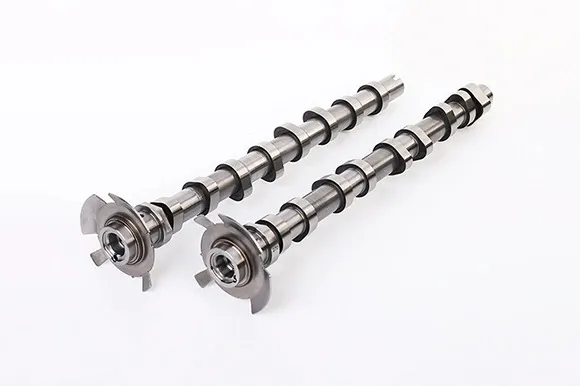
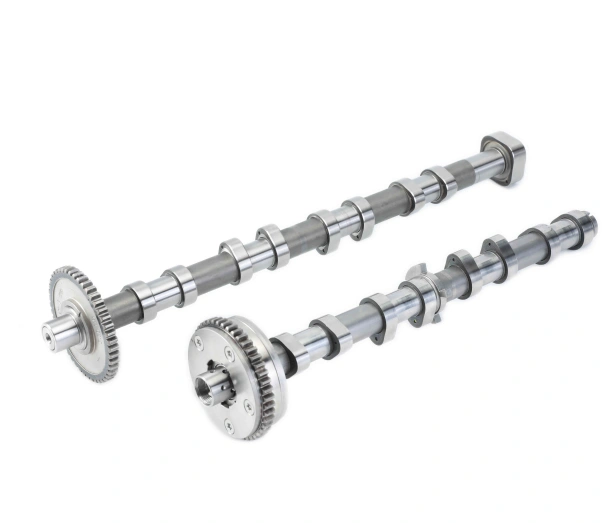
In many cases, a certain level of engine ticking noise is normal. Modern direct injection systems produce audible injector pulses, while valvetrain components—including the engine camshaft, rocker arms, and hydraulic lifters—generate mechanical sounds during operation.
The difference between normal and abnormal ticking lies in behavior and progression.
Normal engine ticking noise:
Remains consistent in rhythm
Does not grow louder over time
Is more noticeable in quiet environments
Does not worsen significantly after warm-up
Abnormal ticking often points toward lubrication imbalance or component wear. At idle, oil pressure is lower than at higher RPM. If oil viscosity has degraded or oil levels are marginally low, hydraulic lifters may not maintain proper lash, resulting in a more pronounced ticking noise.
Cold starts introduce another common scenario. A ticking noise in engine when starting then stops is often related to temporary oil distribution delay. After sitting overnight, oil drains into the pan. Upon startup, it takes several seconds for full oil pressure to reach upper valvetrain components. Brief ticking that disappears quickly is generally not concerning. However, persistent ticking that continues well after warm-up may signal wear or restricted oil passages.
When both acceleration knock and idle ticking exist together, it suggests broader mechanical aging rather than a single isolated fault. That progression leads naturally to a deeper question: what causes engine ticking noise and knocking sounds to develop over time?
The cause of engine knocking is rarely sudden. Engines accumulate wear gradually through heat cycles, combustion byproducts, and lubrication degradation. Over tens of thousands of miles, microscopic changes compound into audible symptoms.
One major contributor is carbon accumulation. As fuel combusts, deposits form on piston crowns and cylinder heads. Over time, these deposits increase effective compression and create localized hot spots. Elevated chamber temperatures promote detonation, especially under load, increasing the likelihood of an engine knocking sound when accelerating.
Lubrication quality is equally critical. Engine oil performs multiple roles—reducing friction, dissipating heat, suspending contaminants, and maintaining hydraulic pressure. Extended oil change intervals allow sludge formation and viscosity breakdown. Reduced lubrication accelerates wear in cam lobes, lifters, and bearings, contributing to engine ticking noise and, eventually, deeper mechanical knock.
Bearing wear represents a more serious stage of progression. Connecting rod and crankshaft bearings rely on a pressurized oil film. As clearance increases beyond design specifications, metal-to-metal contact can begin during load transitions. The resulting sound is heavier and more rhythmic than combustion pinging.
Fuel system aging also contributes. Injectors may develop uneven spray patterns. Sensors that regulate air-fuel ratios may drift slightly from calibration. These subtle inefficiencies alter combustion dynamics and can increase detonation sensitivity.
Cooling system performance further influences knocking risk. Elevated engine temperatures reduce detonation resistance and accelerate oil breakdown. A marginal thermostat or partially restricted radiator can indirectly increase knocking tendency.
Understanding what causes engine ticking noise and knocking requires viewing the engine as an integrated system. Carbon buildup raises temperature. Higher temperature stresses lubrication. Compromised lubrication increases wear. Wear increases noise. Each factor reinforces the next.
By the time a consistent engine knocking sound becomes obvious, the process has often been underway for some time. The next logical step is determining how to address it correctly.
Learning how to fix engine knock begins with disciplined diagnosis rather than immediate component replacement. Many vehicle owners replace spark plugs, injectors, or sensors without confirming root cause. While these parts can contribute to knocking, guesswork increases cost without guaranteeing resolution.
The first priority is verifying oil condition and level. Use manufacturer-specified viscosity and ensure the oil is not overdue for replacement. Fresh oil restores proper hydraulic function in lifters and improves bearing lubrication.
Next, evaluate fuel quality. If an engine knocking sound when accelerating is present, switching to the recommended octane level is a practical test. If knocking diminishes noticeably, combustion detonation was likely the primary factor.
Careful listening remains valuable. Combustion knock responds to load and throttle changes. Mechanical knock follows engine speed more directly and may remain present even during light acceleration.
Diagnostic scanning tools can reveal whether knock sensors are actively retarding ignition timing. Persistent timing retard indicates ongoing detonation. Absence of knock sensor activity alongside audible noise suggests mechanical inspection is warranted.
In cases of confirmed carbon buildup, professional intake or combustion chamber cleaning may reduce detonation risk. However, such procedures should be based on verified deposits rather than assumption.
Most importantly, avoid escalating repairs prematurely. The goal is not simply to silence the sound but to resolve the underlying cause of engine knocking.
Not every knocking noise signals imminent failure. However, certain patterns demand immediate attention.
A deep, metallic car engine knocking sound that increases proportionally with RPM—especially when accompanied by low oil pressure warnings—may indicate bearing damage. Continued operation under these conditions can result in catastrophic internal failure.
Rapid progression is another warning sign. Gradual wear produces gradual change. If knocking becomes noticeably louder within days or weeks, structural deterioration may be occurring.
Additional red flags include:
Persistent knocking at steady cruising speed
Significant power loss
Strong vibration through the chassis
Visible metallic particles during oil changes
Excessive exhaust smoke
When these symptoms appear together, professional mechanical evaluation is essential. Early intervention can sometimes prevent complete engine replacement.
Ultimately, an engine knocking sound is not a diagnosis but a signal. Whether it presents as engine ticking noise at idle, knocking noise when driving under load, or heavy mechanical knock at all speeds, accurate interpretation determines outcome.
For daily drivers, the most effective approach is informed attentiveness. Consistent oil maintenance, correct fuel selection, and early response to new sounds significantly reduce long-term repair risk. Engines communicate through vibration and sound long before failure occurs. Listening carefully—and responding methodically—remains the most cost-effective strategy for preserving performance and reliability.

 English
.webp "BMW Intake Camshaft-OE 11317563663")