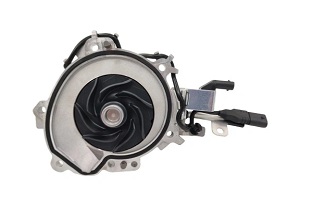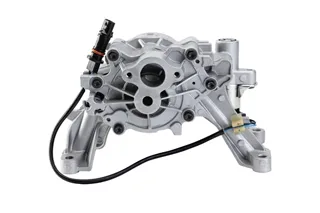
The Mercedes-Benz M271 engine is a widely used inline four-cylinder gasoline engine that powered many Mercedes-Benz models such as the C-Class, E-Class, and SLK during the mid-2000s to early 2010s. Known for its compact design, supercharged or turbocharged configuration, and decent fuel efficiency, the M271 has earned a solid reputation among Mercedes owners. However, like any mass-produced engine, it also has several well-known weaknesses that tend to appear as mileage increases.
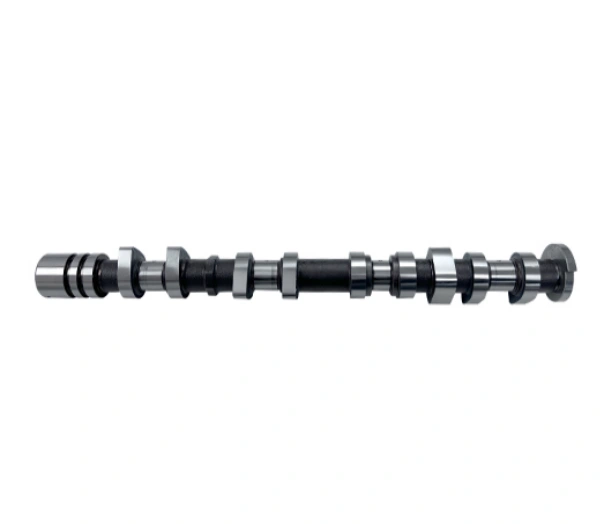
In this article, we will take an in-depth look at several common problems of the Mercedes-Benz M271 engine, explain their causes, symptoms, and repair solutions, and help owners avoid unnecessary repair costs. Particular attention will be paid to the benz camshaft system, which is one of the most critical and failure-prone areas of this engine.
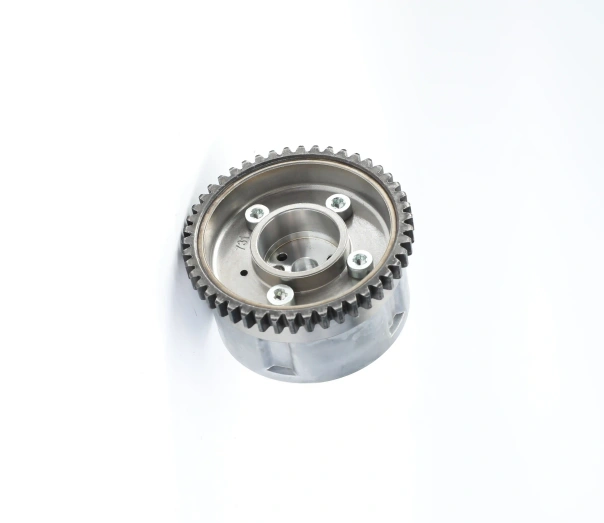
One of the most notorious problems of the M271 engine is the failure of the camshaft timing gears. If your vehicle is equipped with an M271 engine and you experience difficulty starting the car when the engine is cold—accompanied by a noticeable rattling or "ticking" noise—this issue is very likely related to camshaft timing gear damage.
The root cause lies in the material used for the camshaft timing gears. Early versions of the M271 engine used gears that were prone to premature wear. Over time, the gear teeth degrade, causing incorrect valve timing and abnormal noises. This directly affects the mercedes camshaft operation and, if left unresolved, can lead to more serious engine damage.
At an authorized Mercedes-Benz dealership, replacing both camshaft timing gears can cost a significant amount—often exceeding RMB 20,000—because it usually involves replacing both intake and exhaust camshaft gears. For owners looking to save on repair costs, a specialized independent Mercedes repair shop or car parts factory supplier may offer refurbishment or alternative replacement solutions at a much lower price, with acceptable reliability if done correctly.

Another common issue with the M271 engine is oil leakage from the oil filter housing base. This problem is widely considered a design flaw rather than a maintenance issue.
The oil filter housing seals against the engine block using a flat gasket. Under prolonged exposure to high engine temperatures and high oil and coolant pressure, the gasket material hardens and loses its elasticity. As a result, oil begins to seep out from the contact surface.
The proper repair solution is not only to replace the main oil filter housing gasket but also to replace the four internal O-rings inside the housing. Simply changing the outer gasket without addressing the internal seals often results in repeated oil leaks. Once repaired correctly, this issue rarely returns.
If you remove the ignition coils and discover engine oil pooled around or on the spark plugs, this indicates another well-known M271 issue. The most common cause is aging and hardened valve cover gaskets or valve stem seals.
Under high operating temperatures, oil vapors escape through microscopic cracks in the valve cover gasket. These vapors then condense around the spark plug wells, eventually causing the spark plugs to become soaked in oil. This can lead to misfires, rough idling, poor fuel economy, and difficulty starting the engine.
Replacing the valve cover gasket and related seals typically resolves this issue. It is strongly recommended to inspect the ignition coils at the same time, as prolonged oil exposure can damage them.
For turbocharged versions of the M271 engine, insufficient boost pressure is another frequent complaint. Symptoms include sluggish acceleration, noticeable loss of power, and poor throttle response. A diagnostic scan often reveals a fault code related to low turbocharger boost pressure.
In most cases, the problem is not the turbocharger itself but the turbo boost control solenoid (also known as the turbo pressure regulating valve). This relatively inexpensive component can fail due to internal wear or contamination.
Many owners and inexperienced mechanics make the costly mistake of replacing the entire turbocharger assembly without first checking the solenoid. In reality, replacing the faulty solenoid usually restores normal boost pressure and performance, saving a substantial amount of money.
Thermostat failure is another common issue seen in the M271 engine, particularly as the vehicle ages. Typical symptoms include low coolant level warnings, engine temperature dropping to around 60–70°C and failing to rise, and the illumination of the engine warning light.
When the thermostat is stuck open, the engine cannot reach its optimal operating temperature, resulting in reduced fuel efficiency and increased engine wear over time. The recommended solution is straightforward: replace the thermostat with a genuine OEM unit. After replacement, the engine temperature should stabilize at the correct range.
The Mercedes-Benz M271 engine offers a good balance of performance, efficiency, and refinement, but it is not without its flaws. Issues such as benz camshaft timing gear failure, oil leaks, spark plug oil contamination, turbo boost problems, and thermostat failures are all well-documented and relatively predictable as mileage increases.
The good news is that most of these problems can be diagnosed early and repaired effectively without excessive cost—provided the owner understands the underlying causes and avoids unnecessary part replacements. Regular maintenance, timely inspections, and choosing an experienced Mercedes-Benz specialist can significantly extend the service life of the M271 engine.
For current or prospective M271 owners, understanding these common problems is the key to keeping the engine running smoothly and reliably for many years to come.

 English