If you've ever experienced your car engine overheating even though the coolant reservoir is full, you're not alone. This frustrating issue baffles many drivers, leading them to check the thermostat, radiator, or fans first. However, one of the most common yet overlooked culprits is a failing car water pump. In this comprehensive guide, we'll explore what does a water pump do in a car, the signs of bad water pump in car, why it can cause overheating without visible leaks, and everything you need to know about water pump replacement cost, water pump installation price, and vehicle water pump repairs.
The car electric water pump is the heart of your vehicle's cooling system. It circulates coolant (a mixture of antifreeze and water) from the radiator through the engine block, cylinder heads, and back to the radiator. This constant flow absorbs heat generated by combustion and dissipates it through the radiator.
Without a properly functioning vehicle water pump, coolant can't move efficiently, leading to hot spots in the engine and eventual overheating. Most traditional pumps are mechanical, driven by the engine's serpentine belt or timing belt. However, modern vehicles increasingly use electric water pumps, which offer better control and efficiency but come with their own considerations.
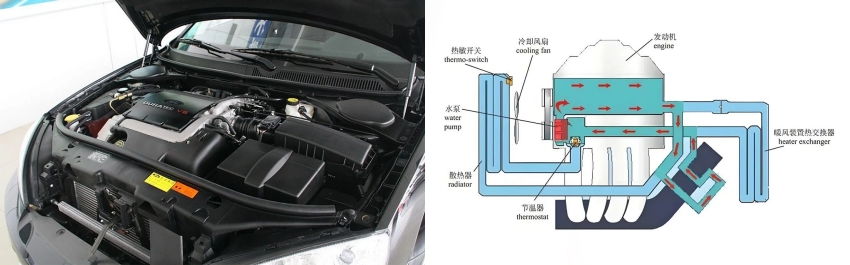
You check the coolant level—it's full. No puddles under the car. Yet, the temperature gauge climbs into the red zone. This scenario often points to poor coolant circulation rather than low levels. Common causes include:
A stuck thermostat
Clogged radiator
Faulty radiator fan
Failing water pump
In the case of a bad car water pump, the impeller (the spinning part inside the pump) may be damaged, corroded, or loose. It spins but doesn't effectively push coolant through the system. Even if the coolant reservoir is full, some modern vehicles with variable water pumps may still experience poor circulation if the pump cannot properly adjust flow, leading to uneven cooling and engine overheating. A car water pump blocked by debris or sediment can exacerbate this issue.
This "hidden" failure is why many drivers miss it initially—there's no obvious leak, but circulation is compromised.
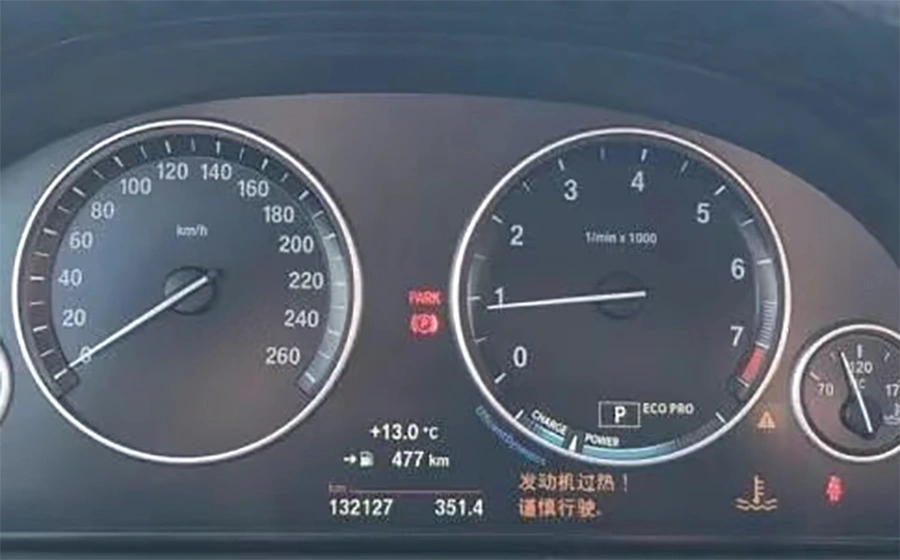
Recognizing the signs of bad water pump in car early can prevent catastrophic engine damage. Here are the most common indicators:
Engine Overheating: The primary symptom, especially intermittent or during low-speed driving.
Coolant Leaks: Look for colorful puddles (green, orange, pink, or red) under the front of the vehicle. Leaks often come from the pump's weep hole, a designed feature that drips when seals fail.
Unusual Noises: Whining, grinding, or rattling from the front of the engine. This often signals worn bearings in the pump.
Steam from the Hood: A clear sign of severe overheating due to insufficient circulation.
Coolant Contamination or Corrosion: Rusty coolant or deposits around the pump indicate internal failure.
Heater Malfunction: Weak or cool air from the heater, as coolant isn't flowing properly to the heater core.
If you notice these signs of bad water pump in car, stop driving immediately to avoid warping heads, blowing gaskets, or seizing the engine.
Traditional mechanical water pumps are belt-driven and reliable for most applications. They increase flow with engine RPM, making them suitable for everyday driving.
Electric water pumps, found in many newer or hybrid vehicles, use an electric motor for constant or variable flow. Advantages include better low-RPM cooling and reduced parasitic drag (freeing up horsepower). However, they can be more expensive to replace and rely on electrical systems.
For most drivers dealing with fix water pump car issues, sticking with the OEM type (mechanical or electric) is recommended unless upgrading for performance.
The part itself typically costs $100–$400, depending on your vehicle make, model, and whether it's mechanical or electric.
The real expense comes from labor. Water pump replacement cost averages $600–$1,200 in 2025, with luxury or complex engines pushing toward $2,000+. Water pump installation price varies by location and shop—independent mechanics often charge less than dealerships.
Factors influencing water pump car replacement costs:
Vehicle type (e.g., timing belt-driven pumps require more disassembly)
Additional parts (gaskets, coolant, timing belt if applicable)
Labor rates ($100–$150/hour)
Many experts recommend replacing the timing belt simultaneously if your pump is driven by it, adding $300–$800 but saving on future labor.
Basic vehicle water pump repairs like checking for leaks are DIY-friendly. However, full car water pump replacement often requires draining the system, removing belts/pulleys, and sometimes major disassembly.
Unless you're experienced, leave fix water pump car to professionals. Improper installation can lead to leaks, air pockets, or premature failure.
To avoid costly water pump replacement cost:
Flush coolant every 30,000–60,000 miles
Use manufacturer-recommended coolant
Inspect belts and hoses regularly
Address overheating immediately
A healthy car water pump can last 60,000–100,000 miles or more.
Engine overheating with full coolant is a red flag—often the hidden sign of a failing car water pump. Ignoring signs of bad water pump in car risks thousands in engine repairs. If symptoms appear, consult a mechanic for diagnosis and timely water pump car replacement.
Stay cool on the road by maintaining your cooling system. Safe driving!

Jaguar Land Rover Leadership Team Adjusts to Support Transformation

2024 Shanghai Automechanika: Ningbo Huizhan Automotive Technology Co., Ltd. Shines with New Products, Showcasing Jaguar Land Rover AJ200 Oil Pump and More

Ningbo Huizhan Automotive Technology Co., Ltd. Annual Meeting Concludes Successfully, Celebrating a Glorious Moment with Partners

 English