The camshaft is the backbone of an internal combustion engine, orchestrating precise valve timing to optimize power output, fuel efficiency, and emissions control. As a cornerstone of engine performance, a well-crafted camshaft is vital for vehicles ranging from compact sedans to heavy-duty trucks. At Hzcarparts, our advanced camshaft production line delivers world-class components tailored for a wide array of automotive brands, ensuring durability, reliability, and peak performance across diverse applications. This blog explores our comprehensive, industry-leading production process, highlighting the precision and innovation that make our camshafts a trusted choice for global automakers and suppliers.
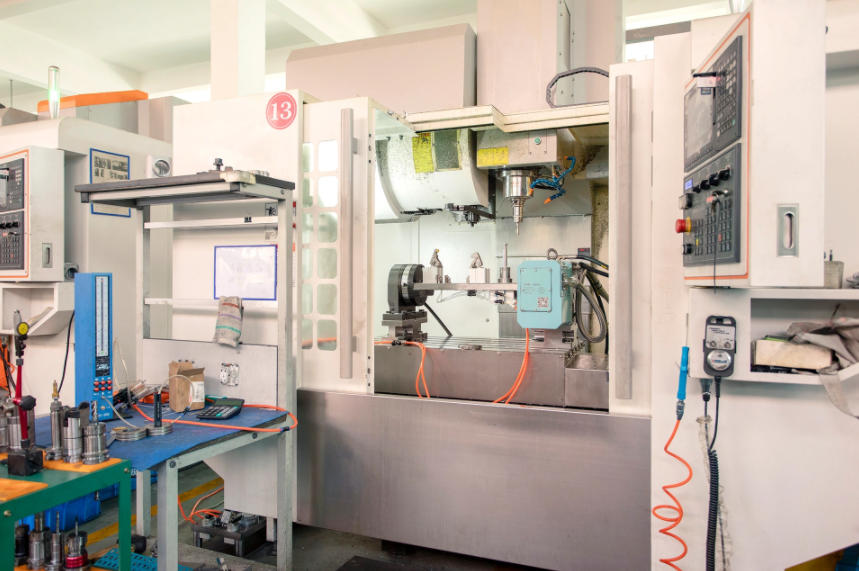
1. In-Depth Requirement Analysis The journey to crafting a superior camshaft begins with understanding our clients’ unique needs. We engage in detailed consultations with automakers, aftermarket suppliers, and performance specialists worldwide to define critical specifications. These include performance goals (e.g., horsepower or torque requirements), material preferences (e.g., steel or lightweight alloys), and compatibility with specific engine architectures, from four-cylinder economy engines to V8 performance powerhouses. By aligning on factors like cost, quality standards, and delivery timelines, we ensure each camshaft is purpose-built for its intended application, whether for passenger cars, commercial vehicles, or high-performance racing engines.
2. Conceptual Design Phase Armed with client specifications, our engineering team dives into conceptual design, exploring a range of configurations to meet diverse engine demands. This phase involves brainstorming lobe profiles, camshaft geometries, and material options to balance performance and durability. For example, a camshaft for a fuel-efficient compact car may prioritize smooth operation, while one for a sports car emphasizes aggressive valve lift. Conceptual sketches and 3D renderings are shared with clients to confirm the design direction, fostering collaboration and ensuring alignment before advancing to detailed engineering. This foundational step sets the stage for a camshaft that delivers precision and reliability.
3. Detailed Design with Cutting-Edge Tools Our design process leverages state-of-the-art Computer-Aided Design (CAD) software to refine camshaft blueprints with meticulous attention to detail. Engineers focus on critical aspects such as lobe geometry, journal dimensions, and thermal performance to ensure seamless integration with engine systems. Manufacturability is a key consideration, with designs optimized for processes like forging or CNC machining. For instance, we engineer camshafts to minimize friction and wear, enhancing engine efficiency across brands. This phase also accounts for environmental factors, such as heat dissipation in high-performance engines, ensuring our camshafts excel in demanding conditions.
4. Rigorous Simulation and Analysis Before physical production, we subject our camshaft designs to advanced simulations to validate performance and durability. Tools like Finite Element Analysis (FEA) assess structural integrity under high stress, while Computational Fluid Dynamics (CFD) evaluates airflow and thermal dynamics around the camshaft. Dynamic simulations replicate real-world conditions, such as high RPMs, extreme temperatures, or heavy loads, to identify potential weaknesses. This rigorous analysis allows us to optimize designs early, ensuring our camshafts perform flawlessly in engines for sedans, SUVs, trucks, or motorsport applications.
5. Premium Material Selection and Prototyping Material choice is critical to camshaft performance. We select high-grade materials like forged steel, cast iron, or advanced alloys, chosen for their strength, wear resistance, and lightweight properties. Prototyping employs cutting-edge techniques such as forging, precision CNC machining, and heat treatment to create components that meet exacting standards. Each prototype undergoes meticulous inspection for dimensional accuracy, surface finish, and mechanical properties. For example, a camshaft for a heavy-duty truck engine is crafted to withstand prolonged stress, while one for a performance car prioritizes lightweight agility. This phase ensures prototypes align with design goals across diverse automotive brands.
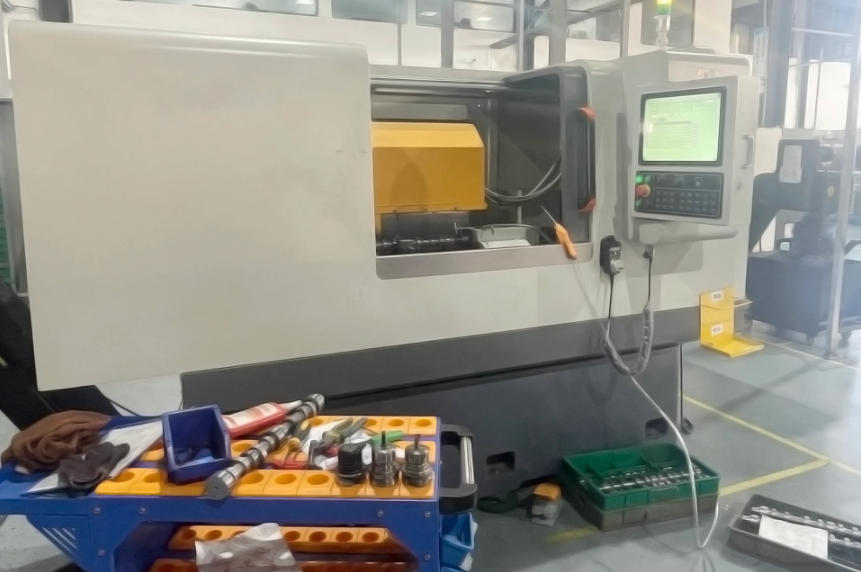
6. Comprehensive Testing and Validation Our professional laboratories conduct exhaustive testing to ensure camshafts meet global industry standards. Tests include:
Endurance Testing: Simulating long-term operation to assess wear and fatigue resistance.
Dynamic Testing: Evaluating performance under varying RPMs and loads.
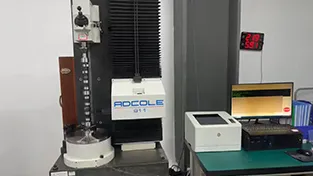
Environmental Testing: Exposing camshafts to extreme temperatures, humidity, and corrosive conditions. These tests confirm that our camshafts deliver consistent performance, whether in a compact car navigating city streets or a commercial vehicle hauling heavy loads. By adhering to standards set by organizations like SAE International, we guarantee reliability for all automotive applications.
7. Iterative Optimization Testing results drive continuous improvement. If a prototype reveals opportunities for enhancement, our engineers refine the design—adjusting lobe profiles, optimizing surface treatments, or streamlining manufacturing processes. For instance, we may apply advanced coatings to reduce friction or modify journal tolerances for smoother operation. This iterative approach ensures our camshafts achieve exceptional longevity and performance, meeting the diverse needs of automakers and aftermarket clients worldwide.
8. Detailed Technical Documentation Transparency is a cornerstone of our process. We compile comprehensive technical documentation, including detailed design drawings, material specifications, test reports, and installation guides. This documentation supports clients during integration, maintenance, and troubleshooting, ensuring seamless use of our camshafts in varied engine platforms. For example, a performance shop installing our camshafts in a custom-built engine benefits from clear, precise instructions, minimizing setup time and maximizing results.
9. Scalable Mass Production Our automated production lines combine precision machinery with stringent quality control to deliver camshafts at scale. From raw material inspection to final assembly, every step is monitored to ensure consistency. Advanced CNC machines craft precise lobe profiles, while automated quality checks verify dimensions and surface quality. Multiple inspections—spanning raw materials, in-process machining, and final assembly—guarantee that every camshaft meets the same high standards as its prototype. This scalability ensures we can supply camshafts to global automakers, from small-batch performance parts to high-volume OEM components.
10. Robust After-Sales Support Our commitment extends beyond delivery. We offer comprehensive after-sales services, including technical training, fault diagnosis, and maintenance support. Whether a client is integrating our camshafts into a luxury sedan or a fleet of commercial vehicles, our team provides tailored solutions to ensure trouble-free operation. From troubleshooting performance issues to guiding proper installation, we stand by our products throughout their lifecycle, fostering long-term partnerships with clients worldwide.
Why Choose Hzcarparts Camshafts? Hzcarparts’ camshaft production line is a testament to innovation, precision, and quality. By combining advanced technology, rigorous testing, and client-centric design, we deliver camshafts that power engines with unmatched reliability and efficiency. Our components are engineered for universal compatibility, supporting a wide range of vehicles—from economy cars to high-performance machines. Explore our engine components collection to discover solutions that elevate your vehicle’s performance.

 English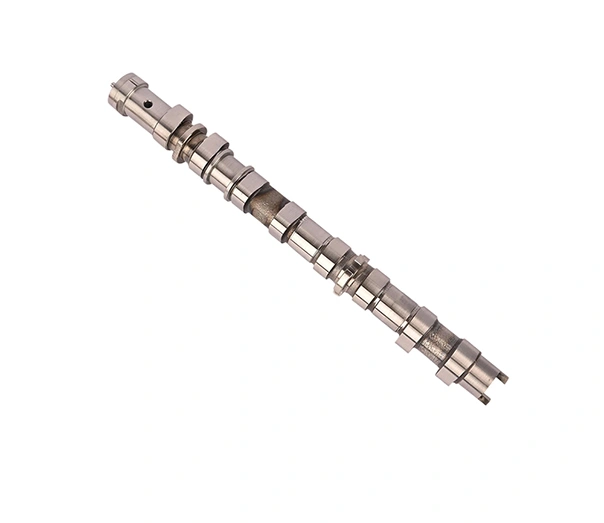

.webp "BMW Exhaust Camshaft-OE 11317563665")