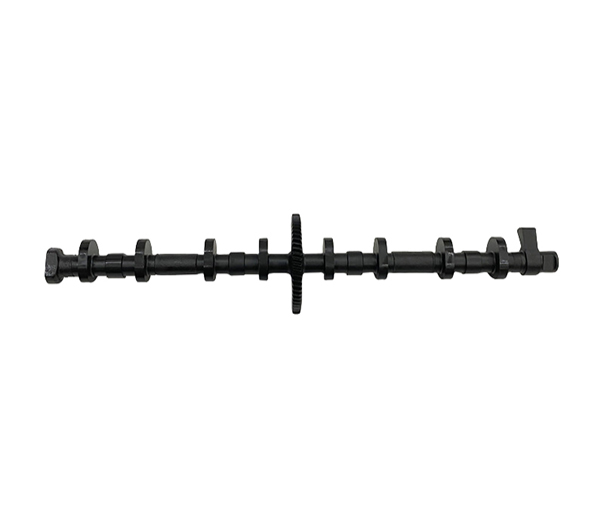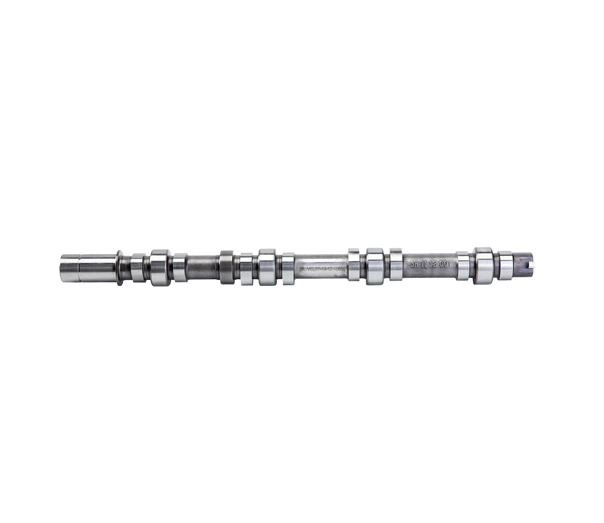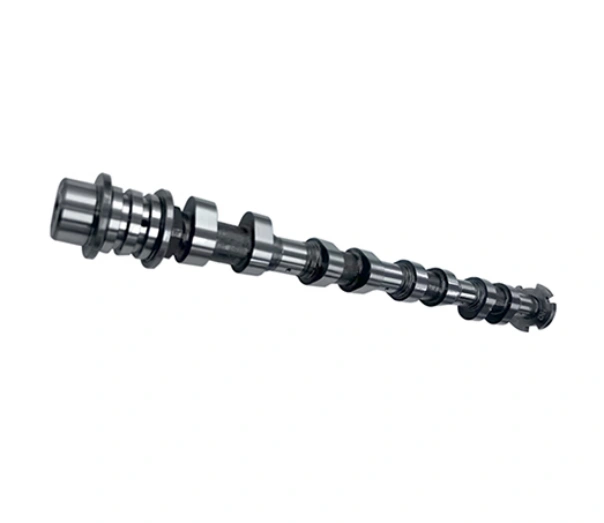
High-performance automotive camshafts improve engine efficiency by optimizing the valve's lift and timing, as well as precisely controlling the valve opening and closing durations. Specialized auto camshaft manufacturers like Huizhan focus on designing performance camshafts to deliver increased valve lift and timing angles that directly impact engine operational efficiency. This design increases the valve opening duration, promoting more efficient air and fuel exchange, which enhances the engine's power output and fuel economy. Additionally, the design of high-lift camshafts extends the valve opening time, optimizing the engine's air intake efficiency and further improving combustion effectiveness.
As a critical component of the engine, the camshaft primarily controls the opening and closing of the valves, which in turn affects the engine's intake and exhaust efficiency. Leading engine parts suppliers emphasize how the camshaft's design directly influences the timing and extent of valve openings and closings, thereby impacting the engine's intake and exhaust volumes. For example, if the camshaft is designed to provide longer and larger valve openings, the engine's torque and power output at specific RPMs will correspondingly increase.
Additionally, the material and manufacturing process of the camshaft are crucial factors affecting its performance. The use of high-quality alloy steels or alloy steel, along with precision manufacturing processes, enhances the camshaft's durability and reliability, thus extending the engine's overall lifespan.
The camshaft's position also plays a role; for instance, an overhead camshaft (OHC) configuration, compared to a camshaft located below, simplifies the valve timing mechanism, reduces engine weight, improves transmission efficiency, and lowers operational noise, thereby enhancing the engine's overall performance and smoothness.
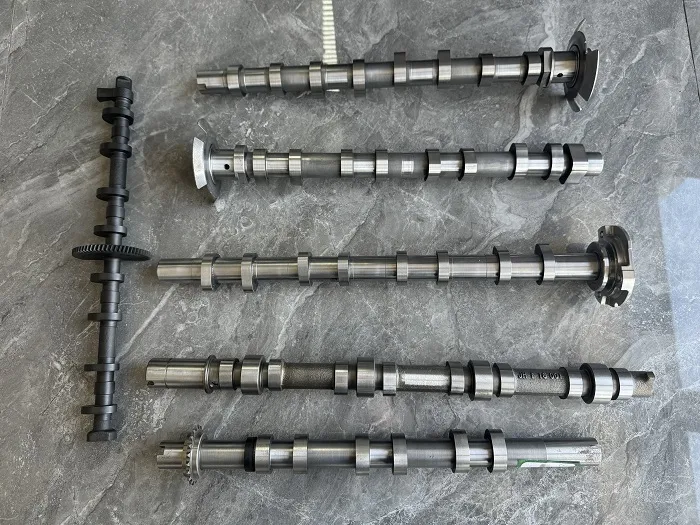
Camshaft angle refers to the position and angle of the cam lobes on the camshaft, which significantly affects various aspects of a car's performance, including intake, exhaust, fuel injection, and ignition. The camshaft angle defines the position and relative angle of the cam lobes on the camshaft, playing a crucial role in engine operation. By controlling the position and shape of the cam lobes, it influences the car's intake, exhaust, fuel injection, and ignition processes, thereby affecting the vehicle's overall performance.
Optimizing the camshaft angle can provide numerous benefits, including enhanced engine power, improved fuel efficiency, better acceleration, and more responsive steering. Additionally, optimizing the camshaft angle can improve the vehicle's emissions performance, reducing harmful emissions such as carbon dioxide and particulate matter.
When adjusting and optimizing the camshaft angle, several factors should be considered:
Use professional adjustment tools and techniques, and perform the adjustments in a suitable environment.
The method for adjusting and optimizing camshaft angles can vary for different vehicles and should be tailored to specific conditions.
Consider the impact of adjustments on other vehicle systems and components, such as engine cooling and fuel supply.
By gaining a deeper understanding of the camshaft angle’s definition, function, and its impact on vehicle performance, we can better adjust and optimize the camshaft angle to enhance vehicle performance and fuel efficiency, resulting in smoother and more comfortable driving.
This video provides a clear demonstration of the camshaft dimension inspection process, focusing on key measurement parameters such as cam angle measurement and cam lift curve analysis, which are vital in assessing camshaft quality and performance. In automotive engines, the camshaft controls the precise opening and closing of intake and exhaust valves, directly affecting engine efficiency, combustion timing and overall power output. The inspection procedure uses high-precision metrology equipment to verify lobe profile accuracy, angular positioning and lift consistency against OEM-level standards. By inspecting these critical dimensions, professional parts suppliers and workshops can ensure that each camshaft meets stringent performance and durability requirements before installation. This process applies to a wide range of camshafts on the market, including intake and exhaust camshafts for passenger cars, commercial vehicles and performance engines, and supports high-quality engine parts manufacturing and quality control in global B2B supply chains.


 English
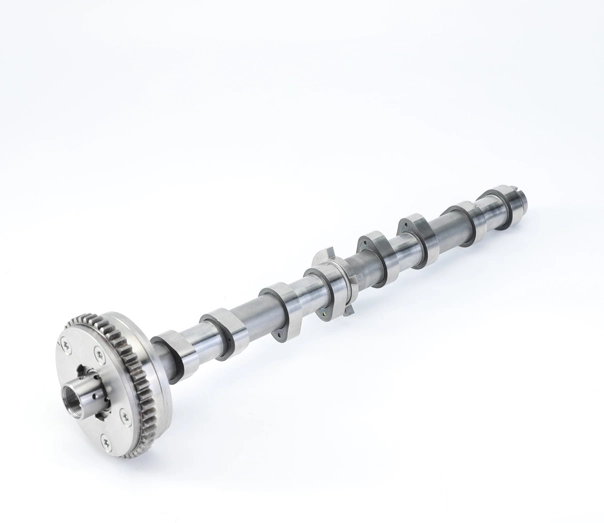
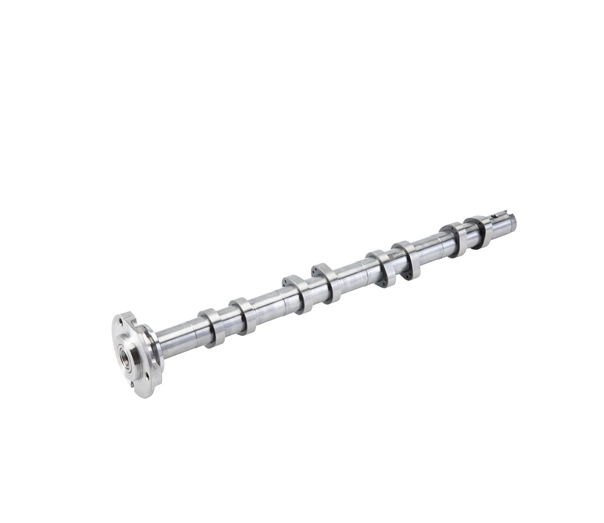
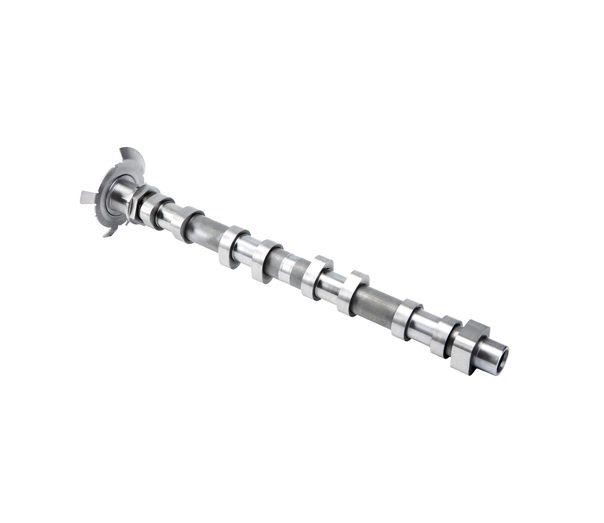
_20250530135425.webp "BMW Camshafts")